How to Finish Homework Faster? 10 Tips That Actually Work


Key Takeaways
- Spend three minutes on a plan, and you’ll save thirty minutes on guessing.
- Your phone steals more homework time than any tough question does.
- Work in short, timed bursts, then take a real break.
- Tiny rewards make starting feel way less painful.
- These tips to finish homework faster work for school, college, and online classes.
We’ve all been there. You sit down at 4 p.m. with a snack and a plan to knock it out, and suddenly it’s 7, and you’re still on question three. Annoying, right? Here’s the thing. Speed rarely comes from rushing. It comes from small habits. So here’s how to finish homework faster without making a mess of it.
How to Finish Homework Faster With a Clear Plan?
Before you crack open a single book, give yourself three minutes to plan. I know, it sounds backwards. Planning feels like stalling. But it’s like packing for a trip. You move quicker when you know what’s going in the bag. Two steps do the job.
Write a Quick Homework List
Grab a sticky note and jot down every assignment, its due date, and a rough guess at how long it’ll take. Seeing it all in one place calms you down. It also kills that nagging feeling that you forgot something. Cross things off as you go. It feels weirdly good.
Start With the Hardest Task
Your energy is best right at the start, so go after the toughest subject first. Saving it for last means meeting it when you’re tired and cranky, and nobody does their best work like that. Once the big one is done, everything else feels like a breeze.
How to Finish Homework Faster Without Getting Distracted?
Distraction is the sneakiest time thief out there. One buzz, one quick peek at your phone, and your brain needs a few minutes to find its place again. Clear the path first, and the work just flows. Try these three fixes tonight.
Put Your Phone Out of Reach
Silent mode isn’t enough. Be honest, you’ll still peek. Leave the phone in another room, or hand it to a parent until you’re done. Need it for research? Use a laptop instead. Out of sight really does mean out of mind, and future you will be grateful.
Pick One Quiet Study Spot
Homework on the couch with the TV murmuring in the background? That never ends well. Pick a desk or table with decent light and clear it off. Keep only what you need within reach. After a few days, your brain learns that this spot means work.
How to Focus on Homework Using Short Bursts
Long marathons wear you out fast. Try working for 25 minutes, then rest for five. After four rounds, take a longer break. It keeps your mind fresh, and a giant pile of work turns into a few small chunks. Easier to face, right?
How to Stop Procrastinating on Homework?
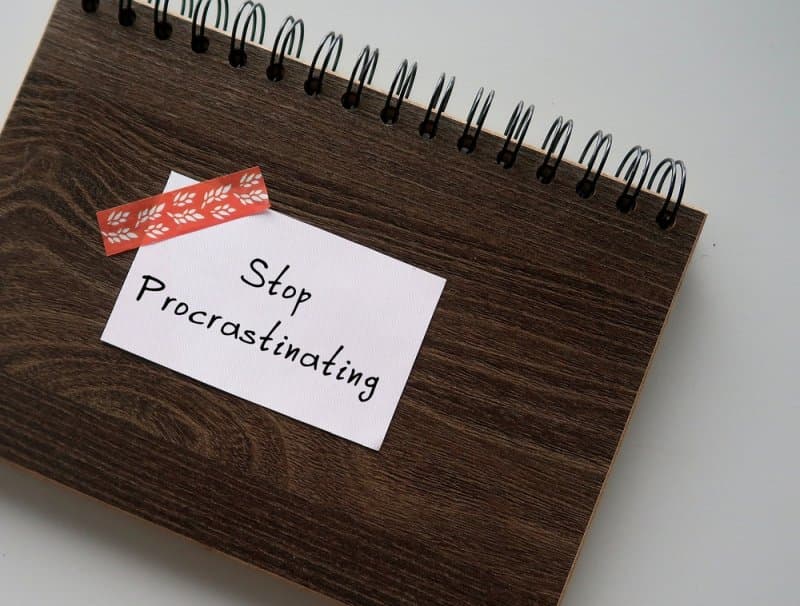
Procrastinating doesn’t mean you’re lazy. Usually the task just feels too big or too boring, so you dodge it. The fix is to make starting so easy that your brain has nothing to argue about. Two habits help a lot. Give them a shot.
Use the Two-Minute Rule
Tell yourself you’ll work for just two minutes. That’s all. Open the book, read the first question, write one line. Once you’ve started, the hard part is over, and you’ll usually keep going way past two minutes. Sneaky, but it works.
Reward Small Wins Along the Way
Treat yourself after each finished task. A snack, one favorite song, or a quick walk all count. Small wins add up. It works because gamification makes effort feel like play. Try earning a point for every completed subject, then cash them in on Friday.
How to Finish Homework Quickly After School?
School’s over, you’re wiped, and the couch is calling your name. Still, how you spend that first hour at home shapes the whole evening. A simple routine keeps you moving without feeling drained. Here’s a sample plan. Tweak it to fit your day.
| Time After School | What to Do |
| First 20 minutes | Snack, water, and a short rest |
| Next 40 minutes | Hardest subject with a timer |
| Next 30 minutes | Easier tasks and reading |
| Last 10 minutes | Check work and pack your bag |
Take a Short Break First
Give yourself 20 minutes to eat and unwind before you start. Your brain needs a reset after a long school day. Skip screens during this window, or you might never come back. Stretch, grab a snack, or chat with family instead. Drink some water too.
How to Finish a Lot of Homework in Less Time?
Group similar tasks together, like all the reading or all the math problems. Jumping between subjects burns mental energy. Lean on active learning too. Explain ideas out loud or quiz yourself, since that sticks better than rereading and saves you from redoing work later.
How to Complete Homework on Time Without Stress?
Leave five minutes at the end to scan your answers. Look for missing names, skipped questions, and silly slips. Then pack your bag so tomorrow morning feels calm. A little review now means fewer corrections and way less panic later. Easy win.
Final Thoughts
Learning how to get homework done quickly isn’t about rushing. It’s about planning, guarding your focus, and giving yourself small breaks. Pick two or three ideas from this list and try them tonight. Keep what works, ditch what doesn’t, and enjoy that free evening. You’ve got this.
Frequently Asked Questions
How to do homework faster when you feel tired?
Grab a snack, drink some water, and rest for ten minutes. Then work in 20-minute sprints with short breaks. If your brain feels fried, do the easy stuff and leave the tough thinking for tomorrow.
How long should homework take each night?
Many teachers follow a ten-minute rule, meaning ten minutes per grade level. So a fourth grader might spend forty minutes. If it regularly runs way past that, chat with the teacher or counselor.
Can music help you focus on homework?
Soft instrumental tracks help some students settle in, but songs with lyrics usually pull your attention away. Try both for a few nights. If you catch yourself singing along, go back to silence.
Is it okay to take breaks during homework?
Totally. A five-minute pause lets your brain recover, so you make fewer mistakes afterward. Stand up, stretch, or refill your water bottle. Just skip the phone, because a quick scroll can turn into twenty minutes.
What if I still run out of time?
Do the most urgent and most important work first, then let your teacher know early. Most teachers appreciate an honest heads-up. Asking for an extension before the deadline goes better than making excuses afterward.
This content was created by AI