Active vs Passive Learning: Which is Better for Students?

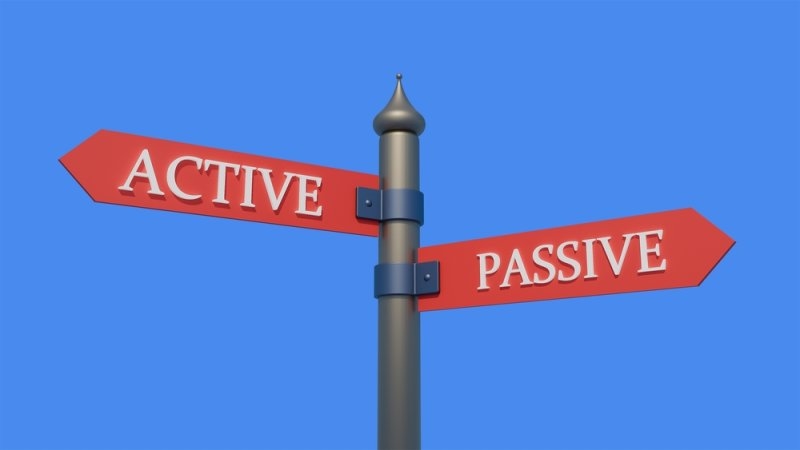
Key Takeaways
- Active learning means doing something with the material. Practice it, argue about it, teach it.
- Passive learning means soaking it in by reading, listening, or watching, usually with no feedback until much later.
- Active vs passive learning isn't really a contest. You need some passive input to have anything to practice.
- Both classroom studies and plain experience say the same thing: doing beats rereading when it comes to memory.
- The best routine is a blend. Read or listen first, then switch to practice fast.
Picture this. You read the chapter twice, highlighted half of it, and walked into the exam feeling fine. Then the first question appeared, and your mind went completely blank. It's an awful feeling, and it usually has little to do with how hard you worked or how smart you are. The real problem is how you studied. That's what active vs passive learning is all about, and the fix is easier than you'd think. Below, we'll cover what each style looks like, where each one earns its keep, and how to combine them without turning your study time into a second job.
What is Active Learning?
Put simply, it's learning by doing. Instead of waiting for knowledge to arrive, you go after it. Argue a point in a debate. Run the experiment yourself. Explain a topic to your roommate until she stops looking confused. Every one of those makes you pull ideas out of your own head and use them, and that bit of struggle is exactly what makes them stay put.
What is Passive Learning?
Passive learning is the style most of us grew up with. A teacher talks, a book explains, a video plays, and you take it all in. Lectures, textbooks, recorded lessons, and even highlighting belong here. And honestly, it feels great: smooth, tidy, productive. The catch is that recognizing a page you've seen before is a very different thing from knowing what's on it.
What is the Difference Between Active and Passive Learning?
Strip everything else away, and the difference between active and passive learning is about who's doing the work. With passive study, the source does most of it and hands you the information. With active study, you do the heavy lifting by working the material over and putting it to use. The table below shows how the two stack up.
| Factor | Active Learning | Passive Learning |
| Communication | Two-way, interactive | One-way, from the teacher or source |
| Learner role | Participant who builds understanding | Listener who receives information |
| Typical tasks | Discussions, projects, practice problems | Lectures, reading, watching videos |
| Feedback | Quick, often immediate | Delayed until a test or quiz |
| Retention | Holds up over the long term | Fades fast without review |
| Effort level | Higher mental effort | Lower mental effort |
Active vs Passive Learning Examples
It's easier to see the gap with real situations, so here are some active vs passive learning examples you'll recognize from school. One pattern shows up right away: active tasks make you produce something, while passive tasks only ask you to receive it. Be honest with yourself about which list sounds more like your exam-week routine.
Examples of Active Learning
- Solving a few math problems, then walking a friend through each step while they keep asking "but why?"
- Running a group science experiment and arguing over what the results actually mean
- Shutting the book after a chapter, writing a summary from memory, then checking what you forgot
- Building something tiny, like a budget spreadsheet or a basic website, the day you learn a new skill.
Examples of Passive Learning
- Sitting through an hour-long lecture without asking one question
- Rereading the same chapter four times and hoping it eventually sinks in
- Watching a tutorial from start to finish without trying a single step
- Highlighting entire pages in neon yellow and feeling busy, even though you haven't recalled one idea
Which Active Learning Methods Work Best in Class?
The best active learning methods turn quiet listeners into people who ask questions, test ideas, and wrestle with real problems. Teachers and self-learners can mix and match them depending on class size, subject, and how much time there is. You won't need any special equipment for these three.
1. Think-Pair-Share
Everyone thinks about a question alone first, then compares notes with a partner, and only then does the class share out loud. It works because people get a moment to rehearse before they have to speak in front of the room. It fits almost any subject and takes just a few minutes.
2. Problem-Based Projects
Learners get a realistic problem, hunt for possible solutions, and present what they found, which looks a lot like work outside school. Along the way, they pick up planning, teamwork, and time management, things a lecture rarely teaches. Even something small, like drawing up a recycling plan for your school, makes abstract ideas feel useful.
3. Gamified Practice
Points, badges and a bit of friendly competition keep people motivated. Quick quizzes and timed challenges force you to recall things fast, and that does far more for memory than rereading the same notes. One tip: keep the rewards small, so learners care about the material and not just the points.
Must Try: Gamification: Meaning, Strategies, Examples, and Benefits
What are the Most Common Passive Learning Methods?
Passive learning methods stick around because they're easy to organize and can reach a huge audience at once. You've almost certainly used all of these:
- Lectures and presentations, where an expert explains and everyone else listens and scribbles a few notes
- Textbooks and online articles, which suit people who like working quietly at their own pace
- Recorded videos and podcasts, handy when you need a quick refresher the night before an exam
Active Learning Strategies You Can Start Today
No special tools needed. Most active learning strategies slot into a study routine you already have. Start with these four:
- Test yourself. Close the book, write down everything you remember, then look for the gaps.
- Teach it out loud. Pretend you're the instructor. Explaining something is the fastest way to find out you don't quite understand it.
- Spread it out. Practice over several days rather than cramming the night before. Repeated recall builds memory steadily.
- Find a study group. Each person explains one concept, and everyone else fires back follow-up questions.
Teachers can also bring in inclusive teaching strategies so that every learner gets a fair shot at taking part.
Passive Learning Strategies That Still Help
Good passive learning strategies work best as a warm-up, giving you the background you need before the harder practice begins. A little structure goes a long way. Skim the headings and the summary before a lecture or chapter so you know where it's going. Jot short notes while you listen, then turn them into questions you can answer later without peeking. And if you're watching a video, slow down: pause often and write one takeaway after each short segment.
What are the Main Active Learning Benefits?
The biggest active learning benefits show up in your grades, your confidence, and your ability to actually use what you know. Memory is the obvious one. Pulling an idea back out of your head and applying it builds stronger connections than listening ever will. You also get sharper at critical thinking, because you're comparing options, questioning assumptions, and defending your answers with evidence. Taking part keeps your attention from drifting, too, so lessons feel more personal. And feedback arrives sooner, which means mistakes get caught early instead of showing up for the first time on exam day.
What are the Passive Learning Benefits?
The passive learning benefits are real, especially when there's a lot of new material and not much time. One instructor or one video can teach hundreds of people at almost no cost, which is why lectures and reading haven't gone anywhere. There's also less pressure: you can listen quietly without worrying about speaking up or being judged. Reading and listening give you the vocabulary and core ideas you need before real practice can even start. And since books and recordings can be paused and replayed, you set the pace.
Active vs Passive Learning: Which is Better?
For lasting understanding and real skills, active learning usually comes out ahead, because it forces your brain to work with the ideas. That said, passive learning has a role, particularly for a first look at a topic, so using both makes sense. Your subject, your deadline, and your own habits will all shift the balance from one session to the next.
A Simple Three-Step Plan
- Start passively. Read or watch the lesson once, just to pick up the basic ideas and key terms.
- Switch to active practice. Solve problems, answer questions, or explain the lesson in your own words.
- Review actively over the next few days. Quiz yourself, use flashcards, and teach it again in short sessions so it locks in.
Conclusion
Active vs passive learning doesn't have a winner. What matters is using each one at the right moment. Let passive input introduce the material, then lean on active practice to turn it into skill and lasting memory. Pick one active strategy for your next study session, and see how much you remember a week from now.
Also Read: Creative Alphabet Activities For Young Children To Enjoy Now
Frequently Asked Questions
Is active learning always better than passive learning?
Not always. Active learning tends to give stronger retention, but passive learning is perfectly fine for a first pass at something new. Most people do best by starting passively and moving into practice quickly.
How can students switch from passive to active studying?
Start small. Close the book and try to recall the key points, write your own practice questions, or explain a topic out loud. None of it takes long, and it shows you fast what you actually understand.
Can passive learning work for complex subjects?
Yes, but only as step one. A good lecture or reading can make a tough subject clear. Real understanding, though, comes when you solve problems, ask questions, and apply the ideas to real examples afterward.
Do active learning methods suit young children?
Absolutely. Young kids learn best through play, movement, stories, and hands-on tasks. Counting games or building blocks keep them curious and help new ideas stay in memory far longer.
How long should an active learning session last?
About twenty to thirty minutes of focused practice, then a short break. Short, regular sessions beat long marathons, since they give your memory time to settle and keep your attention fresh.
This content was created by AI