What are the Types of Teaching Methods for Better Learning?

Key Takeaways
- Teachers mostly choose between teacher-centered, student-centered, or a blend of both.
- Lectures cover ground fast. Projects and inquiry make ideas stick longer.
- Interactive teaching methods with examples, like flipped lessons, get students doing something instead of just listening.
- No method wins every time. The goal of the lesson should pick the method.
- Mixing effective teaching methods in the classroom almost always beats picking one and sticking with it.
Picture a Tuesday afternoon, last period, and a room full of students staring at the clock instead of you. Most teachers know that feeling well. Often the lesson isn’t the problem; the delivery is. Picking the right option from the types of teaching methods below can change the mood of a whole class, and it doesn’t take a total overhaul.
What are the Types of Teaching Methods with Examples?
Types of teaching methods are the ways a teacher delivers a lesson and checks whether it landed. Some keep the teacher in front. Others push students into the driver’s seat. Real classrooms usually blend the two, so it helps to know what each option looks like before you pick one for Monday morning.
How do Types of Teaching Strategies Shape Teaching Methods in the Classroom?
People mix these two terms up all the time. A method is the big approach, like direct instruction or project work. Types of teaching strategies are the smaller moves you make inside it, such as asking a cold question or running an exit ticket. Both matter when you plan teaching methods in the classroom.
What are Teacher-Centered Teaching Methods?
Here, you run the show. You decide the content, set the pace, and lead the discussion. That works well when students are meeting a topic for the first time and need clear steps. Below are three common types of teaching methods with examples from this camp.
Direct Instruction
Direct instruction is the explain, model, practice routine most of us grew up with. A math teacher works one fraction problem on the board, talks through every step, then lets students try a few on their own. It’s a solid choice for basic skills, since nobody has to guess what a good answer looks like.
Lectures and Demonstrations
A lecture gets a lot of information to a whole room quickly. A demonstration makes it visible, like a science teacher mixing two safe chemicals while everyone leans in to watch. Keep the talking under fifteen minutes. Then ask a quick question so you know who’s still with you.
Drill and Practice
Spelling lists, multiplication tables, vocabulary flashcards. This is drill and practice, and repetition really does build speed. The catch is boredom. Keep sessions short, change the format now and then, and add a timer or a small game so the practice doesn’t feel like a chore.
What are Student-Centered Teaching Methods?
Now flip the picture. Students ask the questions, hunt for answers, and sometimes argue about them. You become the guide who nudges and checks in. These approaches build confidence and sharper thinking, but they take more planning, and a noisy room can feel chaotic until the routines settle.
Inquiry-Based Learning
It starts with a question students actually care about. Why do some plants grow faster than others? Kids test light, water, and soil, then compare notes. They pick up research skills along the way. It does eat more class time than a lecture would, so choose your topics carefully.
Project-Based Learning
Give students a real problem and a few weeks. Maybe they design a small school garden, work out the costs, and pitch it to the principal. Because the work matters outside the classroom, it sticks. Plan on grading being a little messier, though, since projects rarely look alike.
Collaborative Learning
Small groups, shared tasks, one common goal. Think-pair-share and jigsaw activities are the easiest places to start, because everyone gets a turn to speak. Watch the group dynamics, though. Hand out clear roles so one confident student doesn’t take over while quieter classmates fade into the background.
Student-Centered vs. Teacher-Centered Teaching Methods at a Glance
Seeing student-centered vs. teacher-centered teaching methods side by side helps. Neither one is the winner. Each solves a different problem, so look at the table and ask which column fits tomorrow’s lesson. Most teachers end up borrowing from both columns anyway, and that’s perfectly fine.
| Feature | Teacher Centered | Student Centered |
| Teacher role | Main source of information | Guide and facilitator |
| Student role | Listener and note taker | Active explorer and collaborator |
| Best for | Basic skills and new content | Critical thinking and creativity |
| Preparation time | Lower | Higher |
| Engagement level | Moderate | High |
What are Interactive Teaching Methods with Examples?
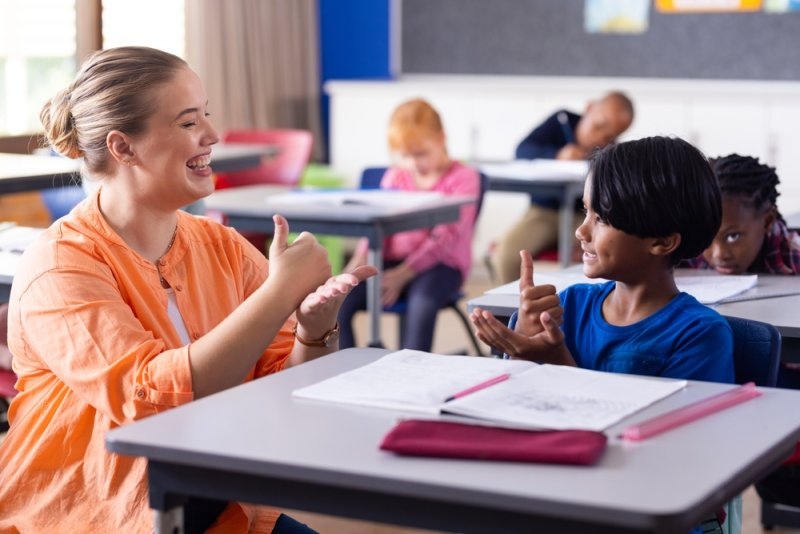
Interactive teaching methods with examples are the ones that get students typing, moving, or talking. Many overlap with active learning, and our piece on active vs passive learning digs into that. Try one at a time. Changing everything overnight rarely goes well.
Flipped Classroom
Students watch a short video or read a text at home, then spend class time on problems, labs, and discussion. You get to help the ones who are stuck instead of lecturing to everyone. The risk is access. Some kids won’t have reliable internet, so keep a simple backup ready.
Technology-Enhanced Teaching
Interactive whiteboards, quiz apps, short videos. Used well, they save time and show you things you’d miss otherwise. A quick poll in history class can reveal confusion before you move on. Used badly, they become a shiny distraction, so ask whether each tool actually serves the lesson goal.
Kinesthetic Learning
Some ideas land better when the body is involved. Students build models, act out a scene from history, or walk along a giant number line on the floor. Younger kids especially love it. Just check the space and set safety rules first, because movement and a crowded room don’t always mix.
What are the Best Teaching Methods for Classroom Learning?
Honestly, the best teaching methods for classroom learning depend on the lesson. Look at your goal, your students’ age, and the minutes you have. Plenty of teachers find that clear explanation plus hands-on practice beats either one alone. Chase the goal, not whatever classroom trend is going around this year.
What are the Most Effective Teaching Methods in the Classroom?
Effective teaching methods in the classroom tend to share a few things. Clear goals. Regular feedback. Students who are actually doing something. Direct instruction works for new skills, then inquiry and projects deepen the understanding. Add collaborative tasks and quick tech checks, and you’ll catch gaps before they grow.
How to Choose the Right Teaching Method?
Start with the end of the lesson. What should students know or be able to do when the bell rings? Once that’s clear, match the method to your learners, your time, and your materials. A little planning now beats reteaching the same topic three weeks from now.
Start with Your Learning Goal
Do students need to memorize facts, practice a skill, or think through something messy? Facts and procedures often suit teacher-centered teaching methods. Analysis and creativity lean toward student-centered teaching methods. Write your goal in one plain sentence before planning, then check every activity against it.
Know Your Students
Age, language skills, attention span, what they already know. All of it matters. A method that thrills fifth graders may lose beginners completely. Students also need different kinds of support, so check our inclusive teaching strategies for more equitable classrooms. A short survey or exit ticket tells you a lot.
Check Time and Resources
Projects and flipped lessons cost more prep time, devices, and materials than a simple demonstration. So start small. Try one new method in a single unit and see what happens. Then adjust. Small changes feel manageable for busy teachers, and students get time to settle into the new routine.
Conclusion
The types of teaching methods you choose shape how students listen, think, and take part. Teacher-centered methods give structure. Student-centered methods give depth. A smart blend gives you both. So pick one idea from this guide, try it this week, and see how your class responds.
Frequently Asked Questions
These are the questions teachers and parents ask most. Use them as a quick reference when you’re planning lessons or weighing up different approaches. Skim the ones that match your situation. Each answer is short on purpose, so you can use it right away.
What are the main types of teaching methods?
The main types of teaching methods are teacher-centered, student-centered, and blended approaches. Teacher-centered ones include lectures and direct instruction, while student-centered ones include inquiry, projects, and group work.
What is the most effective teaching method?
No single method wins every time, because results depend on the topic, the students, and the goal. Most teachers do best by blending direct instruction with active, student-centered tasks across each unit.
Can teachers use more than one teaching method in a lesson?
Yes, and most teachers do. A short explanation followed by group practice is a classic pairing. It keeps students alert, supports different learning needs, and makes the whole lesson feel more varied.
How do student-centered teaching methods help learners?
They help learners build critical thinking, confidence, and communication skills through regular, active participation. Motivation also rises because students own their learning and can clearly see how lessons connect to everyday life.
When should teachers use teacher-centered teaching methods?
Use them when introducing new concepts, explaining safety rules, or modelling detailed procedures carefully. They bring clarity and efficiency, and student-centered activities can follow once the basics feel secure for everyone.
This content was created by AI