How Do Reading Comprehension Strategies Improve Learning?

Key Takeaways
- Determine whether the reader struggles with vocabulary, attention, background knowledge, or understanding the text structure before choosing a strategy.
- Make sure students actively interact with the text by asking questions, predicting, and summarizing while reading.
- You must teach comprehension strategies explicitly instead of assuming students will discover them naturally through independent reading.
- Use short, meaningful reading comprehension activities every day to build consistent habits and strengthen understanding over time.
- Check comprehension regularly through discussion, retelling, graphic organizers, and written responses rather than relying only on multiple-choice questions.
Reading comprehension strategies are the difference between simply reading words and truly understanding what those words mean. Many students can read fluently, yet still struggle to explain the main idea, make connections, or remember what they just read.
According to the National Assessment of Educational Progress (NAEP), reading proficiency remains a significant challenge for many students across grade levels. Research consistently shows that evidence-based reading comprehension strategies can improve understanding, retention, and academic performance when taught explicitly and practiced regularly.
If you have ever wondered what is reading comprehension or how to improve reading comprehension for children, struggling readers, or even yourself, this guide will help. We will explore what are reading comprehension strategies, practical reading comprehension activities, and proven reading strategies for struggling readers that educators and parents can use immediately.
What is Reading Comprehension?
What is reading comprehension? It is the ability to understand, interpret, analyze, and remember information from a written text.
Good comprehension involves several skills working together:
- Understanding vocabulary
- Identifying main ideas
- Recognizing supporting details
- Making inferences
- Connecting new information to prior knowledge
- Monitoring whether the text makes sense
A reader who comprehends well can explain the author’s message, discuss important details, and apply the information in new situations.
What are Reading Comprehension Strategies?
What are reading comprehension strategies? They are intentional techniques that help readers process and understand text before, during, and after reading.
These strategies are most effective when they are modeled by an adult, practiced with guidance, and gradually used independently.
Evidence-Based Reading Comprehension Strategies
Here are best practices:
Preview The Text
Before reading, encourage students to examine:
- The title
- Headings
- Pictures or diagrams
- Bold or highlighted words
This activates background knowledge and gives the reader a purpose for reading.
Ask Questions While Reading
Effective readers constantly ask themselves questions such as the following:
- What is happening?
- Why did the character do that?
- What is the author trying to explain?
- What might happen next?
Questioning keeps the brain actively engaged with the text instead of passively moving through the words.
Make Predictions
Prediction encourages readers to think ahead and use clues from the text. Even if predictions are incorrect, the process strengthens attention and critical thinking because students must look for evidence that supports or changes their ideas.
Visualize the Text
Ask students to create a mental movie of what they are reading. Visualization is especially helpful for narrative texts because it improves memory, engagement, and understanding of characters, settings, and events.
Summarize Frequently
After a paragraph, page, or section, have the reader stop and briefly explain who, what, when, where, and why. Frequent summarizing prevents confusion from building up and helps transfer information into long-term memory.
Try These: Mastering Reading and Writing Learning Styles in Education
Reading Comprehension Activities That Work
Here are the activities that actually work
Story Mapping
Create a simple chart with spaces for:
- Characters
- Setting
- Problem
- Important events
- Solution
This activity helps students organize information and see how story elements connect.
Think-Pair-Share
Students first think about a question independently, then discuss their ideas with a partner, and finally share with the group. This encourages deeper processing and exposes students to different interpretations of the same text.
Graphic Organizers
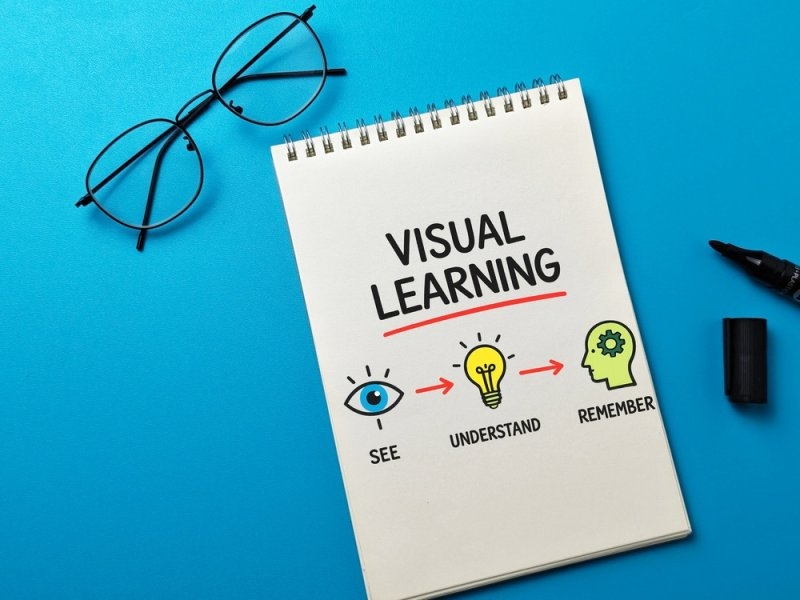
Use cause-and-effect charts, sequence diagrams, or compare-and-contrast organizers. Visual structures make complex information easier to understand and remember.
These reading comprehension activities are effective because they require students to do something with the information, not just read it.
Reading Strategies for Struggling Readers
The best strategies are
Use Shorter Text Segments
Long passages can overwhelm struggling readers. Break the text into smaller sections and discuss each section before moving on to the next one.
Teach Vocabulary Explicitly
Unknown vocabulary is one of the biggest barriers to comprehension. Introduce important words before reading and practice them in simple sentences and real-life examples.
Read Aloud Together
Shared reading allows students to hear fluent expression, pacing, and phrasing while focusing their mental energy on understanding the meaning rather than decoding every word independently.
Provide Sentence Starters
Give prompts such as:
- “The main idea is…”
- “I learned that…”
- “This reminds me of…”
- “I think the author means…”
Sentence starters reduce the cognitive load for students who struggle to express their understanding.
These are particularly effective reading strategies for struggling readers because they build confidence while gradually increasing independence.
How to Improve Reading Comprehension Daily
Consistency matters more than occasional intensive practice.
A Simple 15-Minute Routine
| Time | Activity |
| 2 Minutes | Preview the Text and Discuss the Topic |
| 8 Minutes | Read Together and Pause to Ask Questions |
| 3 Minutes | Summarize the Most Important Ideas |
| 2 Minutes | Make a Personal Connection or Prediction |
This routine can be used at home or in the classroom and works for both fiction and nonfiction texts.
Common Mistakes to Avoid
Skip making the following mistakes to retain better strategies:
Focusing Only on Correct Answers
Comprehension is a thinking process. Encourage students to explain how they reached their answer, not just whether the answer is correct.
Choosing Texts That Are Too Difficult
If a reader spends all their energy decoding words, little mental energy remains for understanding. Select texts that provide an appropriate level of challenge without causing constant frustration.
Skipping Discussion
Talking about a text is one of the strongest ways to deepen understanding. Discussion helps readers clarify confusion, hear new perspectives, and strengthen memory of what they read.
Conclusion
Strong reading comprehension strategies help readers move beyond simply recognizing words and toward truly understanding, analyzing, and remembering what they read. By using evidence-based reading comprehension strategies such as previewing, questioning, predicting, visualizing, and summarizing, students can build stronger thinking skills that support success in every subject. Consistent reading comprehension activities and targeted reading strategies for struggling readers can make a noticeable difference in confidence, engagement, and academic performance. Whether you are a teacher, parent, tutor, or lifelong learner, small daily habits often produce the greatest long-term improvements. The goal is not just to help students finish a book, but to help them think deeply about what they read and apply that understanding in meaningful ways. For more practical learning resources, creative literacy ideas, and educational support materials, EducationalCraft.com offers helpful guidance for families and educators who want to make reading more engaging and effective. Ready to Strengthen Reading Skills?
Start with one simple strategy today—ask questions while reading, summarize after each section, or create a quick story map. Consistent, meaningful practice can transform reading from a frustrating task into a confident, enjoyable learning experience.
FAQs
Can Digital Reading Affect Reading Comprehension?
Yes. Research suggests that reading on screens can sometimes reduce deep comprehension because notifications, scrolling, and multitasking may interrupt concentration. Students often understand complex texts better when they read in a distraction-free environment and take notes or pause regularly to reflect on what they have read.
At What Age Should Reading Comprehension Strategies Be Taught?
Comprehension strategies can begin as early as preschool and kindergarten through picture books and oral storytelling. Young children can practice predicting, identifying characters, and discussing events long before they become fluent readers. Early exposure builds the foundation for more advanced comprehension skills in later grades.
How Can Parents Support Comprehension Without Feeling Like Teachers?
Parents do not need formal teaching experience to help. Simple conversations such as “What was the most interesting part?” or “Why do you think that happened?” encourage children to think about meaning, make connections, and explain their ideas, which naturally strengthens comprehension skills.
Do Audiobooks Help Reading Comprehension?
Audiobooks can support comprehension, especially for struggling readers, English language learners, or students with decoding difficulties. Listening to fluent reading allows learners to focus on meaning, vocabulary, and story structure while reducing the effort required to recognize individual words.
How Long Does it Take to Improve Reading Comprehension?
Improvement depends on the reader’s age, starting skill level, and the consistency of practice. Many students begin showing noticeable progress within 6–12 weeks when they engage in regular guided reading, questioning, summarizing, and vocabulary practice several times each week.
This content was created by AI