5 Effective Strategies for School Security Solutions in 2026

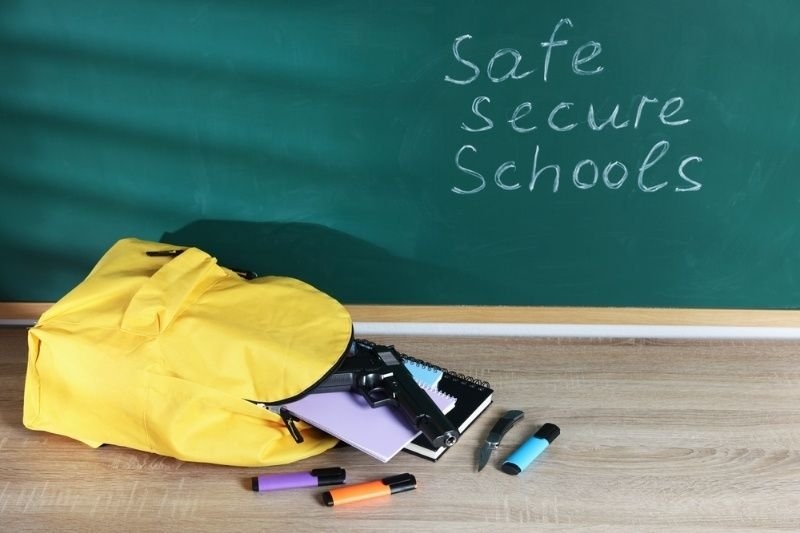
Keeping students safe is completely non-negotiable. Throw out the outdated plans that look good on paper but fail in real life. This is because keeping the children safe is essential for their and the country’s future.
This guide breaks down exactly how to lock down your campus and build school security solutions that actually stop threats before they escalate.
Must Read: What Makes Future-Ready Schools Better for Students in 2026?
Why are School Security Solutions Essential?
Schools are targets, plain and simple. School security solutions are the absolute core of keeping a campus breathing. You cannot expect students to focus or teachers to do their jobs if they are constantly looking over their shoulders. Just like parents provide daily vitamins for kids and essential minerals for kids to build raw physical strength, administrators must build a hardcore security framework to shield their daily environment.
5 Effective School Safety Strategies for Institutions
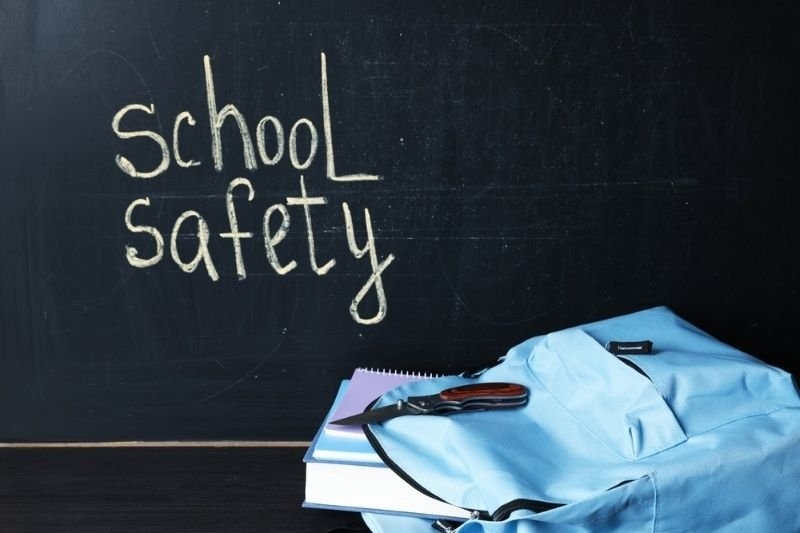
You can check below to find the 5 most effective school safety strategies for institutions:
1. Lock the perimeter tight
Stop leaving side doors propped open for convenience. You must channel every single person entering the building through one highly secure, closely monitored main entrance. Every other door stays deadbolted from the outside, preventing anyone from slipping in unnoticed during passing periods.
2. Install smart surveillance
Ditch the grainy cameras from ten years ago. Use modern, high-definition systems with smart motion detection. These systems instantly alert administrators the second an unauthorized person steps onto the property, giving you the upper hand before they even reach the front steps.
3. Upgrade visitor management
Throw out the easily faked paper sign-in sheets. Force every guest to hand over a state ID. Use digital scanners that run immediate background checks and print temporary, expiring ID badges for absolutely anyone walking the halls.
4. Train the staff hard
Stop handing out dusty manuals no one reads. Run aggressive, realistic lockdown drills regularly. Teachers need to know exactly how to barricade doors, cover windows, and move students out of the line of fire instantly without waiting for outside instructions.
5. Monitor digital threats
Track what happens online before it spills into the hallways. Most physical threats get posted on social media hours before they ever hit the campus. Catching these digital red flags and intervening early stops physical violence completely.
Top Pick: AI Literacy In Schools: A Practical Classroom Roadmap
Factors to Consider for Building Campus Safety Measures
The factors you need to consider for building campus safety measures are explained in the list below:
1. Assess the physical layout
Walk the entire property and find the dangerous blind spots. You have to know exactly where a threat could hide or slip through a broken fence before you spend a single dime on new technology. Fix the glaring physical holes first.
2. Check the daily budget
Security hardware costs massive amounts of money. You need to allocate funds ruthlessly toward things that actually stop intruders cold. Buy reinforced glass and heavy-duty deadbolts instead of wasting cash on flashy, useless tech gadgets.
3. Coordinate with local police
Bring the cops inside the building before a crisis hits. Let them walk the halls so they know exactly where the main stairwells, cafeterias, and emergency exits are located. When things go wrong, they need a clear tactical map in their heads.
Understanding the Importance of Student Safety Programs
The following list will help you find out the importance of student safety programs:
1. Gives kids a voice
Students hear the rumors first. Anonymous reporting apps let them drop a tip about a weapon or a planned fight without painting a massive target on their own backs. It turns them into active eyes and ears.
2. Kills bullying early
Verbal abuse escalates into physical violence. Aggressive anti-bullying programs stop the harassment in the hallways before a pushed-to-the-edge student decides to retaliate with a weapon.
3. Builds mental resilience
You cannot just lock the doors; you have to fix the minds inside. Providing immediate access to hardcore mental health counselors diffuses angry, isolated students before they completely snap.
Benefits of Building a Safe Learning Environment
You can refer to the following list to understand the benefits of building a safe learning environment:
1. Skyrockets academic focus
Kids cannot learn math if they think someone is going to kick the door in. Locking down the building completely eliminates the background fear, letting their brains actually focus on passing the tests.
2. Drops the absentee rate
Students refuse to show up when the hallways feel like a warzone. Cracking down on violence and securing the perimeter guarantees they actually walk through the front doors every morning.
3. Retains high-quality teachers
Educators will absolutely quit if you put their lives at risk. Giving them a secure, tightly controlled classroom ensures the best teachers stick around instead of fleeing to safer districts.
Things to Consider for School Emergency Planning
You can check the following list to understand the things to consider for school emergency planning:
1. Define the chain of command
Chaos kills. You must establish exactly who calls the shots the second an alarm goes off. If three different administrators try to give orders, people get hurt. Lock down the leadership structure immediately.
2. Map out multiple escape routes
The main hallway might be blocked by a shooter or a fire. You need absolute secondary and tertiary escape plans for every single classroom. Teachers must know exactly how to punch through a side window if necessary.
3. Stockpile trauma kits
Waiting for the ambulance takes too long. Every classroom needs a hard-case trauma kit loaded with tourniquets and blood-clotting gauze. Teachers must know how to stop massive bleeding before the paramedics arrive.
Conclusion
You cannot afford to be lazy with lives on the line. Implementing hardcore school security solutions and aggressive school safety strategies is the only way to operate today. Build out strict student safety programs, enforce campus safety measures, and drill your school emergency planning until it is flawless. This is how you guarantee a safe learning environment. Take absolute control of your building right now.
Frequently Asked Questions
1. How do public districts secure funding for advanced school security solutions?
Public districts apply for federal and state grants specifically designed to upgrade building hardware. Administrators also aggressively reallocate daily operational budgets or push for local bond measures to generate the cash needed for heavy-duty installations.
2. Can automated software integrate with existing school security solutions?
Yes. Modern software connects directly with legacy alarm systems and older camera networks. Security vendors actively bridge the gap between old hardware and new artificial intelligence tools to give districts a complete dashboard without ripping out every single wire.
3. What role do independent audits play in evaluating school security solutions?
Outside experts show up to tear the current setup apart. They rip past the front doors and yank on the deadbolts to find the glaring physical holes immediately. It forces administrators to face the hard facts instead of hiding behind a useless, outdated safety plan.
This content was created by AI