What Makes Future-Ready Schools Better for Students in 2026?

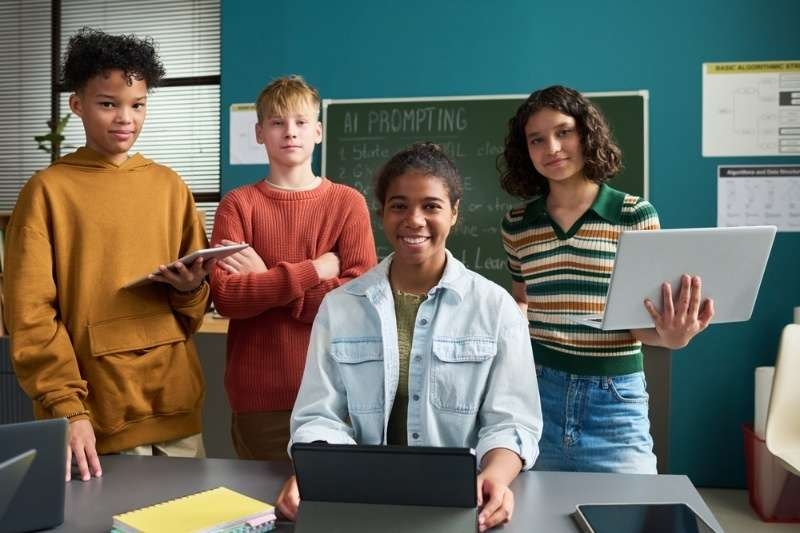
Schools are shifting, and by 2026, teaching methods will change in schools to accommodate the needs of children facing a future in technology, with an emphasis on the importance of creativity and skills development. While parents are unwilling to continue with the exam and rote system of learning, future-ready schools are the answer, as they are incorporating intelligent technology alongside caring, emotionally supported learning experiences and teaching methods that aid students to achieve in their outer lives.
Future-Ready Schools Are Rethinking Conventional Teaching Styles
In the traditional education system, classes would typically revolve around a teacher and a textbook, where kids were taught rote learning and to memorize concepts. While academic learning has a place, schools now understand that the real world requires creativity, communication, and critical thinking. Future-ready schools foster this by offering the students new opportunities in the form of question-based lessons and classroom discussions coupled with practical problem-solving applications. In doing this, kids will retain their learning but, more significantly, gain confidence in the learning process.
In order for a strong modern education system to function effectively, educators must acknowledge that everyone learns differently. Some students learn visually, while others excel with hands-on practice or through interactive discussion. Today, schools are employing teaching styles that enable them to provide students with different approaches to learning, which will result in a more positive classroom where each student will feel engaged and ready to learn.
Smart Classrooms are Improving Student Engagement
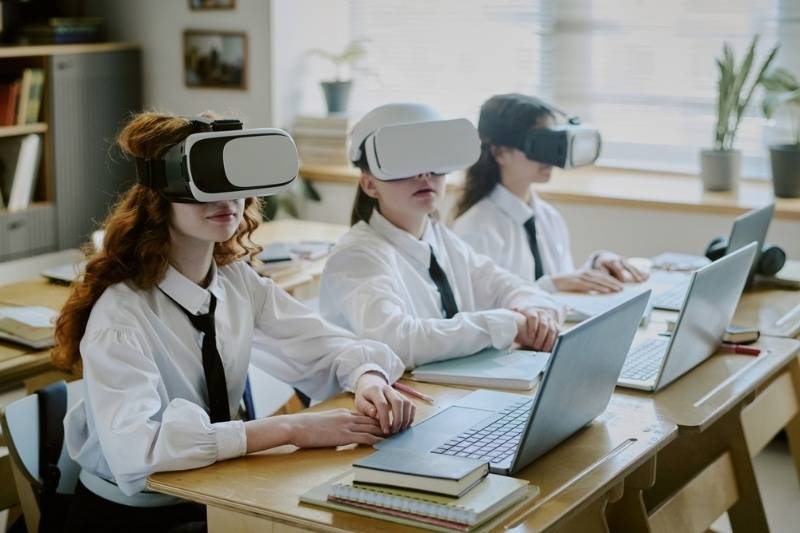
It’s anticipated that by 2026, smart classrooms will play an increasing role in school education. With interactive boards, media-based lessons, videos, and even online quizzes, learning can be made more fun. It also allows teachers to share concepts more easily through a visual medium and will also encourage student engagement. The interactive nature of smart classroom lessons makes learning a lot more fun than rote memory learning, and students will likely stay engaged and alert.
Smart classrooms also encourage innovative school education and a stronger student collaboration framework. Teachers can also easily upload and share documents, digital notes, and presentations via online channels with their students. Students will now be able to collaborate on school projects, participate in various online tasks, and share their ideas with their fellow classmates. It has all helped create a better modern learning environment that promotes creativity and teamwork among students.
Digital Learning in Schools Supports Flexible Education
Digital learning in school today is just another element of day-to-day school education. Using school computers, the internet, online learning modules, digital libraries, stored lessons, and various educational apps. Students are still able to go over difficult topics they were taught earlier by using this flexible method and re-learning them to strengthen their grasp. It encourages independent learning.
This digital learning has also helped teach children about digital skills, as students are now used to surfing the internet for information and research and producing presentations using computers. Students also use the internet and computers to submit assignments and email teachers, as it is a convenient way to communicate ideas. This skill is important for further learning and career paths later on. Schools also plan to implement better communication lines with parents through online channels, reporting on the progress of the student.
Future-Ready Schools Focus on Emotional Well-Being
Apart from academic growth, modern education today is placing greater emphasis on students’ emotional well-being. Future-ready schools want kids to be happy and emotionally balanced at all times and for them to feel confident and safe at school. There are plans in place to introduce more counseling sessions in schools and offer meditation services and activities that will reduce stress among the younger generation.
A holistic modern education system also requires an opportunity for the child to express their feelings and show more compassion for others. The teacher plays an important role in providing students with emotional safety in the classroom, where each student is respected and heard, building their confidence, communication skills, and the confidence to overcome different challenges in and out of school.
School Technology Trends are Shaping Future Education
In 2026, trends in school technology will make classroom learning more interactive and engaging. Through AI lessons, technology, and adaptive learning, with virtual simulation, teachers will be able to monitor a student's ability to learn by providing a unique learning experience to every student.
The proliferation of smart technology, such as VR and AR devices, will allow subjects such as science and history to become a more interactive experience, as students will have the ability to experience real-life simulated experiments. VR and AR will enhance learning as they make teaching innovative in school education.
Innovative School Education Prepares Students for Future Careers
The future job market will demand that students be more flexible and creative in relation to technical work and innovation. This is why they must be taught how to code, how to run a business of their own, and to invest money wisely in what we can call 'entrepreneurship and financial literacy' subjects as soon as they step into the school gates.
They are not being taught these subjects only for exams but also to prepare them for their future careers. They must learn leadership qualities, how to work in a team, and communicate their ideas effectively while they prepare themselves for what the future job market will bring. This should spark that feeling of curiosity and lifelong learning for future jobs.
Teachers Remain the Foundation of Future-Ready Schools
Regardless of technology, teachers remain the heart and soul of future-ready schools. Training teachers and equipping them with the skills to develop modern teaching methods and school technology trends.
As well as guiding students academically, teachers can support the personal and emotional development of their students. They will encourage children to explore, contribute to learning, and create confident students, building that strong foundation in a modern education system for each child.
Further Reading:
Conclusion
Future-ready schools of 2026 are now striving to provide a new type of learning environment that traditional schools offered. Future-ready schools using school technology trends and innovative school education foster and enhance students' learning by imparting them with lifelong skills for the future, creativity, communication, and emotions that will all remain very valuable and make children lifelong learners and good global citizens.
Frequently Asked Questions (FAQs)
How to prepare a school to be future-ready for students?
A future-ready school should prepare students for future learning, careers, and life. Skills in communication, collaboration, problem-solving, and critical thinking; development of students’ social and emotional health, digital fluency, and real-life experience learning; a blended pedagogical approach; and flexible learning systems used by the schools help to build the school's future readiness for students.
What is a smart classroom and its role in learning?
A smart classroom offers an engaging and interactive learning environment to students using smart boards, other interactive tools, various multimedia resources, and activities done in the online environment. They enhance the active participation of students and also enhance their comprehension by simplifying complex issues with relevant media elements and a variety of learning methods supported for students who have different learning styles.
How is digital learning contributing to students' academic success at school?
The flexibility offered to students by providing accessible access to lessons, digital learning tools, and other learning resources allows them to learn at their own pace, build up their technological skills, and also have access to revise subjects any time, enhancing independent learning while keeping the connection strong between school and parents.
What are the ways that technology trends are impacting the school curriculum?
The recent trends in school technology make education more tailored and interactive by including tools like AI, VR, and adaptive learning; such trends provide ways for teachers to monitor their students, design new lessons, and make learning more fun for the students.
This content was created by AI