Top AI Lesson Planning Strategies for Modern Classrooms

AI lesson planning is a practical way for teachers to design lessons with better structure and less effort. It helps organize topics, improve delivery, and manage time without making things complicated.
This blog will explain the best AI lesson planning strategies and help you understand how classroom technology tools can help students.
Must Read: AI In Education Professional Development That Actually Helps
Understanding the Top AI Lesson Planning Strategies
There is no single perfect method here. It is more about small shifts that slowly change how lessons are built and delivered in class.
1. Clear Structure Before Content
Most teachers begin their classes directly by explaining the content. However, a proper structure first is essential. Teachers can easily create lesson plans with clear organization, with AI that makes the teaching process more comfortable.
2. Adjusting Based on Student Response
Some lessons work, and others do not. AI tools can suggest small changes after tracking student performance. This helps teachers tweak lessons without starting over again, which honestly saves a lot of mental energy.
3. Breaking Lessons into Smaller Units
Long explanations often lose attention. AI supports dividing lessons into short sections, each with a clear goal. This keeps students focused, and the class does not feel heavy or overwhelming.
4. Reusing and Improving Old Plans
Teachers do not need to rebuild everything every time. AI allows the reuse of past lessons with slight improvements. Over time, this creates a strong base of reliable lesson plans.
Top Pick: AI Literacy In Schools: A Practical Classroom Roadmap
How Classroom Technology Tools Improve Lesson Planning?
Classroom technology tools are not just for presentation. They quietly support planning, tracking, and even student engagement in ways that are easy to manage.
When teachers use classroom technology tools, they can organize lessons, store materials, and access everything in one place. This reduces confusion during class. It also helps maintain a steady teaching pace, which students appreciate more than expected.
There is also a practical side. These tools make it easier to check progress and adjust lessons without stress. Teachers do not need complicated setups. Simple use is enough to see real difference.
5 Best Digital Teaching Strategies
These digital teaching strategies are not complex methods. They are small, practical approaches that fit easily into everyday teaching.
1. Mixing Online and Offline Teaching
A balanced approach works better than relying on one method. Teachers can explain topics in class and use digital formats for practice. This combination helps students understand and remember lessons more clearly.
2. Keeping Students Involved During Lessons
Passive learning hardly ever proves effective. Simple activities, questions, and tasks make sure students remain involved. No special equipment is needed, only constant involvement within the classroom.
3. Using Feedback to Adjust Teaching
Feedback often is not considered. But it is extremely important and should never be overlooked. A teacher can easily collect student feedback and improve future lessons accordingly.
4. Changing Teaching Style When Needed
Not every topic needs the same method. Some require discussion, others need examples. Flexibility makes lessons feel natural, not forced.
5. Building Consistency in Teaching
Consistency helps students feel comfortable. When lessons follow a pattern, students know what to expect. This slowly but surely improves attention and participation.
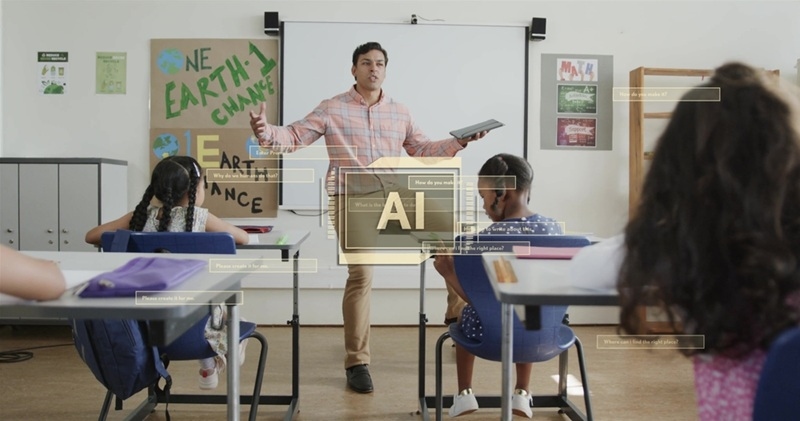
Practical Tips to Use Automated Lesson Plans
The following list will help you to understand the practical tips to use automated lesson plans:
1. Start with a Basic Goal
Before using automated lesson plans, teachers should have in mind the knowledge they would like to impart to their students, to ensure the lesson is relevant and does not contain anything superfluous.
2. Edit and Personalize Content
Automatically generated materials may not be ideal, and teachers will need to modify both the example and the explanation for relevance purposes.
3. Avoid Overloading the Lesson
It is human nature to want to do all things at once. However, simplicity wins in most cases. This is because students are able to understand them better.
What are the Benefits of AI for Teachers?
You can check the following list to understand the benefits of AI for teachers:
1. Less Time Spent on Planning
Teachers can prepare lessons more quickly without starting from scratch. This frees up time for actual teaching and student interaction.
2. Better Understanding of Student Needs
AI tools can highlight patterns in student performance. Teachers can respond early and adjust lessons accordingly.
3. More Consistent Lesson Quality
Lessons become more organized with structured suggestions. This helps maintain quality across different classes.
Top 3 Classroom Technology Tools in 2026
These classroom technology tools are commonly used and easy to understand. They support both planning and teaching without complicating things.
1. Interactive Whiteboards
These allow teachers to explain topics visually. Students can also participate directly, which keeps attention levels higher.
2. Learning Management Systems
All lessons, notes, and assignments stay organized in one place. This reduces confusion and saves time.
3. Assessment Platforms
Quick tests help track student progress. Teachers can adjust lessons based on results without delay.
What are the Common Edtech Trends USA?
Edtech trends in the USA show how classrooms are slowly changing. These trends are not sudden shifts, but steady improvements over time.
1. Growing Use of AI in Teaching
AI is becoming part of daily classroom work. Teachers use it for planning, tracking, and improving lessons.
2. Focus on Individual Learning Needs
Students are getting more personalized learning experiences. This helps them understand topics better.
3. Hybrid Learning Becoming Normal
Combining online and offline learning is now common. It offers flexibility and better access to resources.
4. Using Data to Improve Lessons
Teachers are using simple data insights to adjust teaching. Small changes often lead to better results.
5. Preference for Simple Digital Tools
Complex tools are being avoided. Schools prefer tools that are easy to use and effective.
Conclusion
AI lesson planning is not about making teaching complex. It is about making it smoother and more manageable. With simple strategies, practical tools, and steady improvement, teachers can create better classroom experiences without extra pressure or confusion.
Frequently Asked Questions
1. What is the main purpose of AI lesson planning?
The primary goal is to assist teachers to structure their classes in an organized way. The plan saves time in the preparation process and enhances the coherence of the class. Educators will have more time for the actual teaching process.
2. Can automated lesson plans fully replace traditional planning?
No, because lesson plans created by an automated system can never totally take over from manual lesson planning. They are just helpful as far as making work easy is concerned, and even then, they have to be analyzed before being accepted.
3. How often should teachers use digital teaching strategies?
Teachers can use digital teaching strategies regularly, but not in every single lesson. A balanced approach works better. Mixing traditional methods with digital tools keeps lessons interesting without overwhelming students or making teaching feel forced.
This content was created by AI