How to Improve Student Attendance in Schools in 2026?


Key Takeaways
- Figure out why students are staying home before leaping to solutions.
- Check and update attendance every day—don’t let it slide.
- Get in touch with families early if attendance starts to slip.
- Celebrate improvement, not just perfect records.
- Tailor your approach to the age group you’re working with.
Student attendance says a lot about how well students do in school. When kids start missing days, it usually shows up in their reading and math skills and even in how they get along socially. The U.S. Department of Education flags anyone who misses 10% or more of school days as “chronically absent.” That’s a big red flag—chronic absenteeism makes it harder to graduate and builds long-term challenges down the road.
If your school is looking for ways to boost attendance, you’re definitely not alone. Lots of teachers and principals are searching for real, workable ideas they can use today—whether that’s in an elementary classroom or a high school hallway. Let’s dive into what actually helps: how you can boost your students’ attendance, school attendance programs, attendance intervention strategies, set up a step-by-step plan, student engagement, how to reduce chronic absenteeism in schools, and put proven attendance-improvement strategies to work that make a difference for kids who keep missing school.
Why Attendance is a Bigger Deal Than Most People Expect?
When a student skips class, it’s not just a lost day—it’s lost teaching time that adds up. Take this statistic from Attendance Works: just two missed days per month makes it much harder for kids to read on grade level by third grade.
Attendance ripples into other areas, too:
- Grades drop
- Kids don’t join in as much
- Social skills get rusty
- Graduation rates drop
- Jobs later on are tougher to land
That’s why schools need to be proactive instead of waiting until absences become a major problem.
Must Try: The Flipped Classroom Model and Its Impact on Learning
What are the Best Ways to Improve Student Attendance in Schools?
Here are the top ways to improve student attendance:
1. Figure Out Why Students Miss School
Step one is always the same: you need to know what’s really keeping students away. Sometimes it’s a health issue; other times, there’s no ride to school or something tough going on at home. Kids might be getting bullied, just not excited about class, or struggling with their mental health.
Data helps here. Schools that look closely at their attendance numbers and ask families or students what’s going on see way better results than those who go with the blanket rule that it's best for improving attendance in elementary schools.
For Elementary and Primary Schools
With younger students, so much depends on the grown-ups—parents are the ones getting them out the door, driving or walking, and making sure morning routines happen. Building a real partnership with families pays off and is better for improving attendance in primary schools.
2. Build an Easy, Consistent Attendance Tracking System
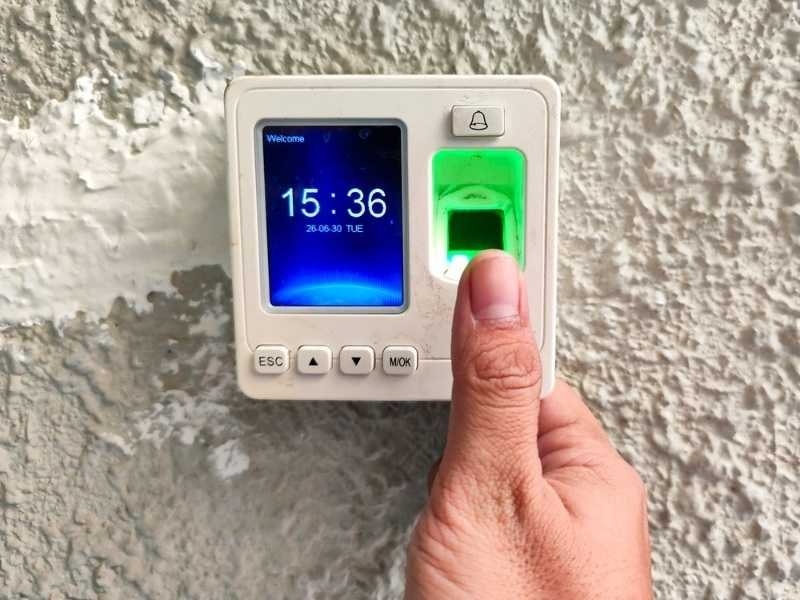
Attendance has to be easy to check, and teachers need to spot patterns right away.
A good system? Daily check-ins by teachers, a quick automated message home after a couple of unexplained absences, weekly reports, and a monthly flag for kids who look “at risk.” When you spot patterns early, you can reach out before missing school turns into a habit.
3. Keep Families in the Loop
Parents usually respond well if you reach out early and respectfully, rather than waiting. Shoot them a text the same day if their child misses school, explain your school’s goals, and—this is important—offer help first, not punishment. That kind of trust makes it way more likely that kids will start showing up.
4. Make School a Place Kids Want to Be
Kids need to feel connected. Interactive lessons, after-school clubs, chances for students to help their classmates, and public shout-outs when students or classes do well—these all matter. The more engaged a student is, the less likely they’ll look for excuses to stay home. And when kids grow up it is unlikely to get them to school by force, and therefore, it is best for improving attendance in secondary schools.
5. Award Based On Improvement Rather Than Full Attendance
"Awarding perfection" when a student may already have missed days is disheartening. Awards tied to improvement—such as a most-improved award certificate, friendly competition between classes, or a school bulletin board highlighting positive changes—are much more motivating. It is among the promising strategies for improving attendance in secondary schools.
6. Give At-Risk Students the Right Support
Some students will need extra help. Set up a tiered support system:
- After 3–5 absences: reach out to parents, send a reminder
- By 6–9 absences: have a counselor meet with the student and set up an agreement
- After chronic absences: get a small team involved, maybe bring in community and social services
Reduce student absenteeism with these steps to make a real dent in the long term
7. Reinvent High School Attendance
Involve the teens; high schoolers just have more latitude. You’ll have to approach matters differently: use attendance for counseling opportunities, tie school to careers and to college aspirations, and connect attendance to activities and even sports. When teens begin to understand how their choices actually affect the future, attendance tends to rise.
8. Use the Available Family Supports
The solution for the family is rarely a new set of obstacles. A good attendance program might offer school rides, breakfast, health partnerships, flexible meeting hours, or materials in different languages. The easier you make it for parents, the better attendance gets.
9. Talk to Students About Why Attendance Counts
Don’t keep them in the dark. Explain how skipping class affects their grades, why it matters for graduation, and even how it connects to landing a job later on. Responsibility is a lesson too; students are more likely to buy in when they understand the bigger picture.
10. Watch Attendance Data and Tweak Your Approach
Don’t set your plan and forget about it. Check monthly—how’s the overall attendance? Are chronic absences up or down? What grades are struggling the most? Did your interventions help? What are parents and teachers saying? Keep learning and making changes as you go.
How to Improve Student Attendance in Schools: A Quick Action Plan?
Here is the student attendance improvement plan:
| Timeframe | Action |
| Week 1 | Review Attendance Data |
| Week 2 | Contact Families of Students at Risk |
| Month 1 | Start a Recognition Program |
| Month 2 | Launch Targeted Supports for Students Missing the Most School |
| Every Quarter | Review What Is Working, Identify What Is Not, and Make Adjustments |
Breaking it down like this keeps things manageable for staff.
Try This: Engaging Strong Classroom Community Building Activities
Conclusion
Attendance isn't about punishing parents or giving them countless reminders. Great schools analyze attendance data, communicate honestly, encourage innovative ways of learning, and embrace what will work best for each individual child or adolescent.
In every grade, the ultimate aim is the same: The kids just have to want to be at school. Try just one of these ideas—even just examining current attendance rates or phoning a few families—and go from there. It's never a quick fix.
FAQs
What Role Does Mental Health Play in School Attendance?
Yes: Students grappling with depression, anxiety, or other mental health challenges (like loneliness) don't find it very easy to come to class each day. For these students, a range of services, such as counseling, school counseling, and programs to facilitate the formation of new friendships, often result in increased attendance. When kids feel safe and supported, they’re much more likely to keep coming back.
Can Technology Help Improve Student Attendance?
Tech tools help a lot. Schools can use automatic apps to send alerts home, track patterns, and keep tabs on who’s missing class. The quicker the response, the easier it is to step in before absences stack up.
How Long Does it Take to See Attendance Improvements?
You might see changes in a month or two, just a few weeks after implementing strong attendance improvement strategies. The biggest gains—getting chronic absenteeism way down—take time, probably a semester or two. Stick with it, talk to families, and don’t expect instant results. Little, steady progress is the name of the game.
This content was created by AI