What are the Best Fine Motor Skill Activities for Children?

Quick Takeaways
- Small muscle coordination helps our child perform daily activities like writing, using a fork, and buttoning a shirt.
- Playing games and activities with their hands daily will help strengthen their finger coordination and dexterity.
- You don’t need fancy tools—regular stuff around the house works great.
- When activities match a child’s age and interests, they’ll have more fun and make steady progress.
- Just 15–20 minutes a day goes a long way, helping kids feel more confident and independent.
Fine motor skill activities are a big deal for young kids. Every time they grab a crayon, stack some blocks, or try to button up, those little muscles in their hands and fingers get stronger. The CDC even says hitting these milestones sets kids up for writing, taking care of themselves, and doing well in the classroom.
Here’s the good news: kids don’t need fancy toys or complicated exercises to get better at this stuff. Playing with everyday objects works just as well. In this guide, you’ll find out what fine motor skill activities actually are, why they matter, and see simple, creative ways to help your toddler or preschooler learn while having fun.
What are Fine Motor Skills Activities?
These are hands-on tasks that work the small muscles in a child’s hands, fingers, and wrists. They also boost things like hand-eye coordination, finger dexterity, grip, and control.
Think about all the ways kids use those skills: doodling, tying their shoes, turning book pages, eating with a spoon or fork, building towers with blocks—you get the idea.
Occupational therapists always encourage regular practice because strong fine motor skill activities lead to better school performance and everyday independence.
Why Are Fine Motor Skills Important?
Fine motor skill activities go way beyond tidy handwriting. When kids build up their hand muscles, they can do so much more on their own. They get a better grip on their pencil, write more clearly, and use their hands and eyes together without really thinking about it. Simple things—like buttoning a shirt, tying shoes, or feeding themselves—suddenly get easier, and that independence feels good.
Plus, as kids work on these skills, their patience and focus grow. They start to feel ready for school tasks and everyday stuff, which gives them a boost of confidence. Every time they master a new challenge, they start to believe in themselves a little more.
Try This: Visual Attention Crafts to Improve Kids Focus Skills
What are the Fine Motor Skills Activities for Toddlers?
Toddlers learn best when they’re just playing around. The main idea? Let them explore while their hands and fingers get a workout.
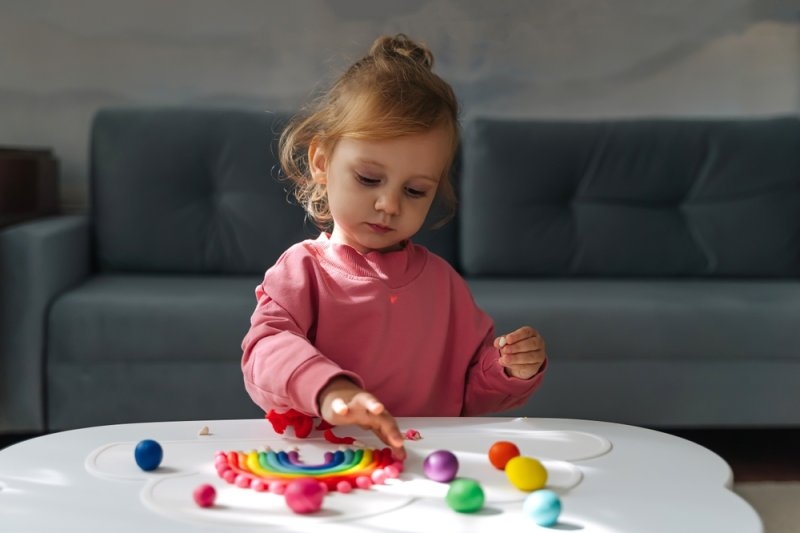
Play-Dough Creations
Rolling, squishing, flattening, and cutting Play-Doh are classic ways to build hand strength. Ask kids to construct humorous creatures, shapes, or fictional food using child-safe plastic utensils.
Stacking Blocks
The tower of building blocks promotes hand dexterity and fine motor control. Try asking your toddler to stack by color or size to make it more interesting.
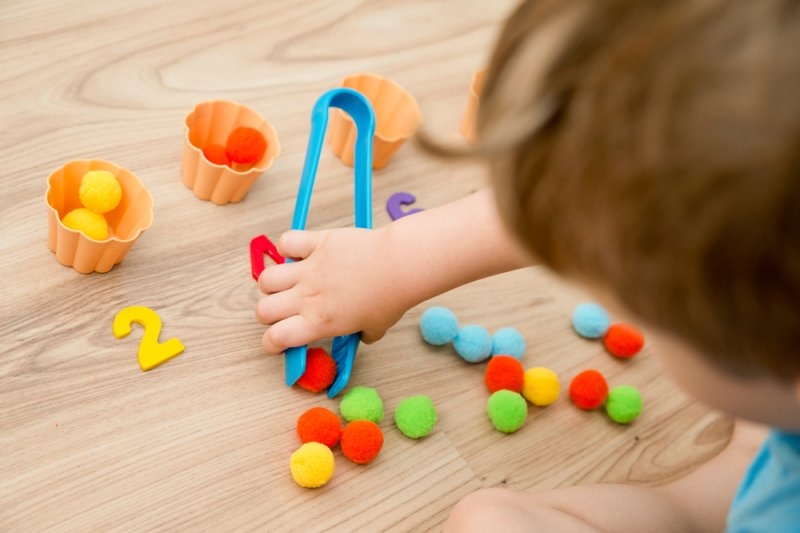
Pom-Pom Sorting
Use big tweezers or just their fingers to sort colorful pom-poms into bowls. This works on the pincer grasp, which they'll need for holding pencils later on.
Sticker Fun
Peeling stickers from a sheet takes a surprising amount of finger strength. Let your child decorate paper, cards, or notebooks to keep it fun.
Large Bead Threading
Threading chunky beads onto thick strings is great for focus and coordination. Just keep an eye on young kids when using beads.
Fine Motor Skills Activities for Preschoolers
As kids get older, you can introduce a little more challenge. These ideas are perfect for preschoolers who are getting ready for school but still want to play.
Cutting Along Lines
Give your child safety scissors and some simple worksheets with straight or squiggly lines.
Snipping along those lines builds hand strength and coordination.
Tracing Letters And Shapes
Tracing helps develop pencil control—plus, it’s a slow but gentle intro to writing. Start with basic shapes before moving on to letter tracing.
Clothespin Games
Have your child clip clothespins around the edge of a paper plate or piece of cardboard.
Each squeeze builds grip and finger power.
Lacing Cards
Show your child how to thread colorful strings through holes in a card—they’ll boost patience, coordination, and attention to patterns.
Building With LEGO Bricks
Tiny blocks like LEGO make kids use careful, precise finger movements. Creativity improves right alongside all that hand muscle work.
Must Try: Learn Top Extracurricular Activities to Boost Student Growth
Everyday Activities That Build Fine Motor Skills
You don’t need special toys to help kids with fine motor skills. Lots of regular daily tasks do the job:
- Watering plants with a small can
- Folding washcloths or clothes
- Opening plastic containers
- Stirring batter when baking
- Turning book pages
- Picking up cereal pieces, one by one
- Painting with brushes and water
- Wiping down toys with a small sponge
The bonus? These chores help with responsibility, too.
Tips To Make Fine Motor Activities More Effective
Kids learn best when they’re having fun, not when it feels like a chore.
- Keep it short and sweet. Fifteen to twenty minutes is usually enough.
- Cheer on their effort—don’t focus too much on mistakes.
- Change things up. Choose materials that appeal to their senses—like crayons, clay, beads, paintbrushes, clothespins, and puzzles. – Opt for an age-appropriate, stage-appropriate game. If they succeed, they’ll want to do more.
Common Mistakes Parents Should Avoid
Little tweaks can make activities work better for your child. Watch out for these:
- Expecting perfect results
- Comparing your child to someone else’s
- Picking stuff that’s too hard or not fun
- Pushing for longer sessions without breaks
- Only using worksheets instead of playful activities
Remember—kids grow and learn in their own time. Sticking with it matters more than racing ahead.
Conclusion
Fine motor skill activities lay the groundwork for so many important things kids do—writing, drawing, dressing, and handling everyday chores. You don’t need special gadgets or expensive kits to help your child get better at these. A few minutes of creative play, crafts, and household tasks each day add up over time. Incorporate age-appropriate activities into everyday life to prevent a house of bored children and build strong little hands, smart young minds, and confidence in young people.
Every single time they put blocks on top of each other, thread a piece of thread through a bead, or make colored scribbles on paper, they are learning skills that will stay with them forever. Whether you’re a parent, teacher, or caregiver, giving kids time to play now paves the way for their confidence and independence later.
Let Them Learn as They Play
Every small thing matters. Mix things up, play around with new ideas, and go with what interests your child. Make play a natural part of the day. With patience and encouragement and a steady routine, you’re helping kids become more confident and independent—one simple, happy moment at a time.
FAQs
How Can I Tell If My Child Has Delayed Fine Motor Skills?
Every kid grows at their own pace, but if your child has trouble holding crayons, using scissors, stacking blocks, buttoning clothes, or feeding themselves—and these challenges keep happening past the usual age or get in the way of daily life—it’s worth talking to your pediatrician or an occupational therapist.
Do Digital Devices Improve Fine Motor Skills?
Tapping and swiping screens help a little, but they aren’t enough. Kids get more out of drawing, cutting, building, threading beads, or working with clay. These hands-on activities actually build the strength, coordination, and control they need. So, real-world play is still the best option for healthy fine motor development.
How Often Should Children Practice Fine Motor Activities?
Kids don’t need to practice for hours. Fifteen to twenty minutes a day is plenty for toddlers and preschoolers. You can mix structured activities and normal tasks, like getting dressed or helping in the kitchen. That keeps learning relaxed, fun, and part of everyday life.
This content was created by AI