Fun Outdoor Learning Activities for Kids to Spark Curiosity

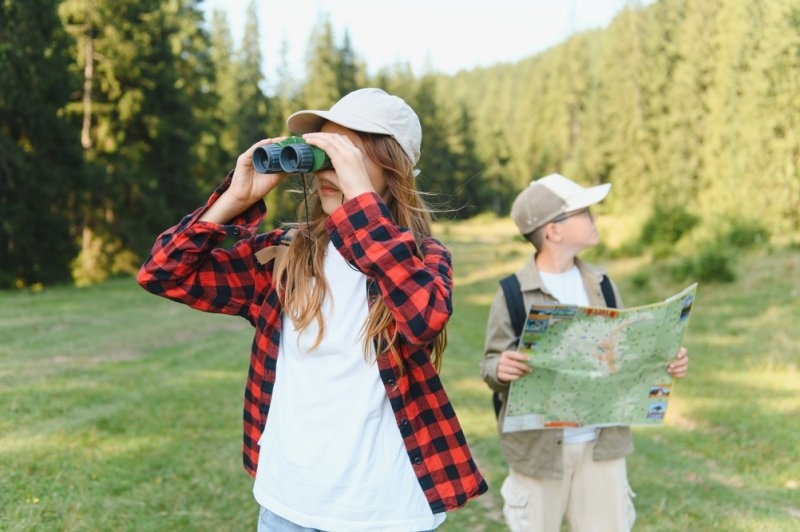
Leaving kids stuck inside staring at screens all day completely shuts down their brains. You need to get them outside immediately. Setting up real outdoor learning activities is the absolute best way to force them to use their minds, solve problems, and burn off that endless physical energy. Let's look at the best ways to start right now.
Must Read: Brain-Based Teaching Strategies That Help Students Learn
Understanding the Core Value of Getting Kids Outside
You cannot replicate the outdoors inside a living room. You have to force the issue and get them into the grass.
1. Breaking the indoor screen addiction permanently
Kids are completely hooked on fast-paced, high-dopamine digital media. Sending them outside forces a hard reset on their attention spans and makes them engage with the real, physical world at a normal pace.
2. Forcing them to handle real-world problem-solving
When they are outside, there is no tutorial button to click. They have to figure out how to balance the rocks, why the dirt keeps collapsing, and how to build something that actually works using their own hands.
3. Letting them burn off high-level physical energy
A cramped house just leads to frustrated, hyperactive children. The outdoors gives them the absolute freedom to run, shout, and move heavy objects, which guarantees they will actually sleep when night comes.
Top 3 Outdoor Learning Activities in 2026
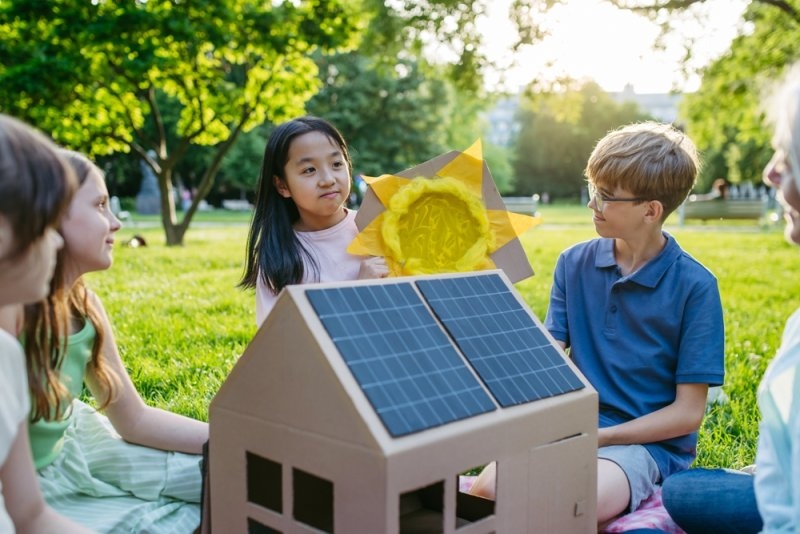
The three best outdoor learning activities in 2026 are listed below:
1. Peaceful Press Nature Scavenger Hunt
Stop handing them a blank piece of paper and telling them to look around. Give them a highly specific, challenging checklist. Have them hunt down three different types of deciduous leaves, find specific insect behaviors, and locate three different rough textures on tree bark.
2. Brightwheel’s Outdoor Mud Kitchen
You have to let them get dirty. Setting up a dedicated mud kitchen with old aluminum pots, pans, and heavy wooden spoons gives them complete freedom to mix dirt, water, and crushed leaves. They learn basic volume, capacity, and measurement without even realizing it.
3. DIY Solar Oven Construction
Do not just tell them the sun is hot; make them prove it. Taking an old cardboard pizza box, lining the inside with heavy-duty aluminum foil, and using the sun to melt s'mores is a brilliant, hands-on physics lesson. It shows them exactly how solar energy and heat reflection work with immediate, delicious results that they built themselves.
How Does Nature-Based Learning Help Kids?
You are not just keeping them busy; you are building their brains. Here is exactly how nature-based learning helps kids develop faster.
1. Building raw physical coordination
Running across uneven dirt terrain, jumping over heavy logs, and balancing on wet rocks force their bodies to adapt quickly. It builds real-world agility, core strength, and spatial awareness that a flat indoor floor can never provide.
2. Driving independent critical thinking
When a child is outside, they do not have a screen holding their hand and telling them what to do next. They have to figure out how to stack the uneven stones, why the sand is turning to mud, and how to build a stick fort that actually stands up against the wind.
3. Dramatically lowering anxiety and stress
Taking away the constant overstimulation of loud plastic toys and flashing screens and replacing it with fresh air immediately calms their nervous system down. Being outside acts as a hard, necessary reset for a frustrated or highly anxious kid.
Top Pick: Learn The Top Effective Teaching Strategies for Students
Benefits of Outdoor Science Experiments for Children
The benefits of outdoor science experiments for children are explained below:
1. Making abstract concepts completely real
Reading about gravity, density, or water displacement in a picture book is incredibly boring. Dropping heavy rocks and light sticks into a bucket of water to see what sinks or floats makes the science undeniable, visible, and highly engaging.
2. Encouraging massive trial and error
If an experiment fails inside the house, it makes a massive mess on your floor. If it fails outside, it just waters the grass. Moving the science outside gives kids the absolute freedom to mess up, try again, and figure out the mechanics without the fear of ruining the furniture.
3. Building a permanent curiosity engine
Once a kid realizes they can test their own wild ideas in the backyard, they stop waiting for you to entertain them. They start asking their own heavy questions, setting up their own tests, and hunting down their own answers without you prompting them.
How to Find the Best Backyard Learning Projects: Step-by-Step
You can find the best backyard learning project by following the steps below:
1. Identify the exact materials you already own
Do not drive to the store and buy a bunch of expensive, highly packaged plastic learning kits. Look in your garage and your recycling bin right now. Heavy cardboard boxes, old plastic buckets, and a simple garden hose are all the raw materials you need to build high-level backyard learning projects.
2. Track what actually holds their attention
Pay close attention to what your kids naturally gravitate towards when you kick them outside. If they immediately grab a stick and start digging in the dirt, build a structured planting or digging project. If they love collecting small rocks and acorns, set up a washing, sorting, and counting station on the patio.
3. Integrate hands-on seasonal elements
You have to adapt to the weather. You cannot run a messy water table in freezing winter temperatures. Instead, use the harsh environment to your advantage. Show them how to make pinecone bird feeders in the dead of winter, or weave seasonal outdoor crafts right into their daily routine when the leaves start changing color in the fall.
Conclusion
Stop making excuses about the weather or the mess. Kids need to be outside, getting their hands dirty, and figuring out exactly how the real world works. Setting up aggressive outdoor learning activities is the single most effective way to build their brains and burn off their energy at the exact same time.
Frequently Asked Questions
1. What age group benefits the most from participating in outdoor educational play?
Children of all age brackets benefit greatly, but early childhood experts note that kids between the ages of three and eight experience the most significant cognitive leaps. This is the exact developmental window where raw sensory input shapes their brain architecture and long-term problem-solving capabilities.
2. Are outdoor educational activities effective for children with attention deficit challenges?
Yes, they are highly effective. Educational studies consistently show that unstructured, hands-on time in a natural environment significantly reduces hyperactivity and heavily increases baseline focus. The open space allows them to expend excess physical energy, while the natural setting provides calming sensory input.
3. How much time should children spend engaging with the outdoors on a daily basis?
Educational professionals strongly recommend a bare minimum of one to two full hours of outdoor engagement every single day, regardless of the season or the weather. Consistent and daily exposure is completely necessary to build a child's physical resilience and maintain their immune health.
This content was created by AI