9 Sensory Activities For Kids With Autism At Home

Some children love messy play. Some hate sticky hands. Some want loud movement, while others cover their ears when a spoon drops. That is the thing about sensory needs. They do not look the same for every child, and they do not always follow a neat rulebook.
That is why sensory activities for kids work best when they are flexible. The goal is not to force a child to touch, smell, hear, or try something they dislike. The goal is to offer safe ways to explore the world through texture, sound, movement, pressure, and play.
For children with autism or sensory processing differences, simple activities can help them feel calmer, more focused, or more comfortable with new sensations. Some activities may wake up a sleepy body. Others may help an overwhelmed child settle down. Parents and caregivers can start small, watch the child’s response, and adjust from there.
Sensory Activities for Kids: Why Sensory Play Helps Children Feel More Regulated?
Sensory play gives children a way to understand their body and environment. A child who avoids messy textures may need gentle, slow exposure through dry materials before trying anything sticky.
This is where autism-friendly activities matter. They do not rush the child. They allow choice, breaks, and comfort. A child can scoop rice instead of touching slime. They can watch water beads before putting a hand in. They can use a spoon, cup, brush, or glove if direct touch feels too much.
Keep The Child In Control
A good sensory activity should feel inviting, not like a test. If the child turns away, pulls back, cries, freezes, or becomes more upset, that is information. The adult can pause, simplify, or try again another day.
1. Rice Or Pasta Sensory Bin
A dry bin is often a nice first step because it is less messy than slime or paint. Fill a shallow container with rice, dry pasta, oats, or cereal, then add scoops, cups, toy animals, small cars, or puzzle pieces.
These sensory bins for kids can help with touch, pouring, scooping, searching, and pretend play. Some children may dig right in. Others may prefer using a spoon or cup first, and that is perfectly fine.
For safety, small items should be avoided with children who still mouth objects.
2. Water Pouring Station
Water play can be calming for many children. Set up a basin with warm water, plastic cups, sponges, funnels, and floating toys. The child can pour, squeeze, splash lightly, or transfer water from one container to another.
This is one of the easiest tactile learning activities because it teaches cause and effect without feeling like a lesson. A sponge gets heavy when wet. A cup overflows. A toy floats or sinks.
Towels nearby make the whole thing less stressful for adults too.
3. Texture Walk Path
A texture path lets children explore different feelings under their feet. Place safe materials on the floor, such as a towel, bubble wrap, foam mat, carpet square, yoga mat, or soft blanket.
The child can walk, crawl, step, or simply touch each surface with a hand. No pressure. Some children may only tolerate one texture at first.
Make It Playful
Parents can turn it into a small adventure. “Can the teddy bear cross the soft mountain?” or “Which one feels like clouds?” This keeps the activity light instead of making it feel like therapy homework.
4. Calm-Down Bottle
A calm-down bottle is simple but useful. Fill a clear plastic bottle with water, glitter glue, small beads, sequins, or food coloring. Seal it tightly. When the child shakes it, they can watch the movement slowly settle.
This can help some children pause and focus visually. It is not magic, and it will not stop every meltdown. But it can become part of a calm corner, bedtime routine, or quiet break.
For many families, sensory activities for kids work better when they are repeated often, not only used during difficult moments.
5. Playdough With Tools
Playdough gives children pressure, texture, creativity, and hand strengthening in one activity. Some kids love squishing it. Others prefer cutting it with plastic tools, rolling it with a pin, or pressing shapes into it.
Parents can add cookie cutters, toy scissors, craft sticks, buttons, or stamps. If smell is a concern, unscented playdough may work better.
This is one of those autism-friendly activities that can be changed easily. If the child dislikes soft dough, firmer clay may feel better. If they dislike residue on hands, tools can help.
Read Next: AI In Education Professional Development That Actually Helps
6. Heavy Work Laundry Basket Push
Some children feel calmer after heavy work, which means activities that involve pushing, pulling, lifting, or carrying. A laundry basket filled with pillows can become a simple indoor activity.
The child can push it across the floor, pull it with a rope, or deliver stuffed animals from one room to another. It feels like play, but it gives strong body input.
This can be helpful before homework, bedtime, or transitions, especially for children who seem restless or crash into furniture often.
7. Nature Treasure Tray
Outdoor textures can be wonderful when introduced gently. A tray with leaves, smooth stones, pinecones, flowers, grass, and sticks lets children explore nature without needing to sit in mud or grass right away.
These sensory bins for kids can be seasonal too. Fall leaves, spring flowers, summer shells, or winter-safe textures can all become part of the tray.
Children can sort items by color, size, softness, or sound. Some may enjoy smelling leaves or flowers. Others may only want to look. Both count.
8. Finger Painting With A No-Mess Option
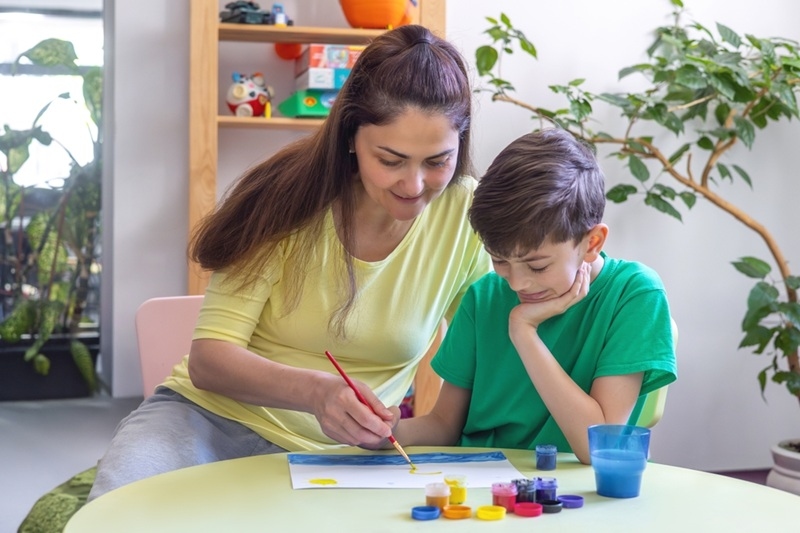
Finger painting is classic, but not every child wants paint on their hands. A no-mess version can help. Put paint inside a sealed plastic bag, tape it to the table, and let the child press or move the paint around from outside the bag.
This gives visual and pressure input without direct mess. If the child becomes comfortable later, they may try a brush, sponge, or one finger dipped in paint.
Let Mess Build Slowly
Messy play should not be forced. For some children, touching wet paint is a big step. A brush today and one fingertip next month can still be progress.
9. Sound Matching Game
Sensory play is more than tactile. Sound is important too. Fill small containers with rice, beans, coins, cotton balls, or pasta and shake gently. The child can match sounds, guess what’s inside or pick the sound they like best.
For sound-sensitive children, keep the volume soft and predictable. Loud surprises can feel upsetting.
This is one of the gentler tactile learning activities when paired with touch. Children can shake, listen, open, and feel what made the sound.
You May Also Like: How to Quiet a Noisy Classroom Without Losing Your Cool
Final Thoughts
Sensory play does not have to be expensive or complicated. A bowl of rice, a towel path, a water tub, a bottle of glitter, or a basket of pillows can become meaningful when used with patience.
The best sensory activities for kids are the ones that meet the child where they are. Some days that may mean active movement. Other days it may mean quiet touch, soft sounds, or no mess at all.
For parents and caregivers, the biggest rule is simple: follow the child’s cues. Sensory play works best when it feels safe, respectful, and a little bit fun.
FAQ
1. How Long Should A Sensory Activity Last?
There is no perfect time. Some children enjoy a sensory activity for 20 minutes, while others are done after three. A good rule is to watch the child more than the clock. If they appear calm and curious and involved, then the activity can go on. If they become fidgety, annoyed or overstimulated, it is best to stop before the activity becomes stressful.
2. What If A Child Doesn’t Want To Touch The Materials?
That’s okay. Refusing is not failing, it is communication. The child might need to observe first, use a spoon, wear gloves, touch only one item or try another texture another day. Adults can show the activity softly without forcing. Others may become more comfortable with the new materials after repeated, pressure-free exposure over time.
3. Can I Do Sensory Activities Before School Or Bedtime?
Yes, but the activity should be in accordance with the time of day. Some children may need heavy work, gentle stretching or a simple water activity to help them feel organized before school. Before bed, you may want to stick to calming choices like a glitter bottle, soft textures, quiet music or slow playdough activities. For some children, high-energy activities too close to bedtime can make them more awake.
This content was created by AI