Test Anxiety in Kids: Signs and How Parents Can Help?


For lots of kids hearing about a test is like seeing a big mountain they do not think they can climb. A little bit of being nervous can actually help them pay attention. Feeling really anxious about tests is something else. It is a feeling that can stop a student from showing how well they can really do things, and it makes them feel bad about school. In 2026 schools are always changing, and kids have to learn things, so kids are feeling more pressure than ever before.
In this article, we will discuss the origins of academic stress. We will explore the common signs of test anxiety, identify student test anxiety symptoms, and provide actionable child anxiety coping strategies. Most importantly, we will offer a guide on how to help kids with anxiety so they can navigate school anxiety in children with confidence. Therefore, teachers and parents should help children build confidence against test anxiety.
What is Test Anxiety in Kids?
Test anxiety is something that happens when a child gets really upset before or during a test. This does not mean the child is not smart or that they did not study enough. It is just that the child's brain gets really scared when they see the test paper or the computer screen. The brain has a thing called the "fight or flight" response that gets triggered. When this happens, the part of the brain that helps us remember things and think clearly is affected.
The prefrontal cortex just stops working. Because of this, the child cannot show what they know, even if they have learned it. Test anxiety is a problem for many children, and it is not because of test anxiety that they are not intelligent; it is just that test anxiety gets in the way. The child's brain and test anxiety just do not work together.
What are the Most Common Signs of Test Anxiety?
Noticing the signs of test anxiety is the thing you need to do to fix the problem. Kids usually do not have the words to say "I am worried about this test," so they show their stress in the way they behave and in changes.
Avoidance Behavior
If your kid gets a "stomach ache" or "headache" on mornings when they have a test, that is a big sign that they have anxiety about school.
Negative Self-Talk
Pay attention to things they say, like "I am just stupid" or "I know I will fail anyway." This kind of talk shows that they are really anxious and are trying to protect themselves from being disappointed.
Procrastination or Over-Studying
Test anxiety can look like your kid is being lazy when they do not want to study, or it can look like they are obsessed with studying when they study all night. Both of these study methods are ways that kids try to deal with the fear of failing their test. Test anxiety is a problem, and kids with test anxiety need help to feel better about taking tests.
Identifying Physical Student Test Anxiety Symptoms
The body can say things before the mind does. Parents need to know about these student test anxiety symptoms that happen in the days before a test:
Physical Symptoms | Emotional Symptoms | Behavioral Symptoms |
| Nausea or butterflies. | Intense irritability or anger. | Difficulty sleeping or nightmares. |
| Rapid heartbeat/sweating. | Crying or feeling overwhelmed. | Fidgeting or "blanking out." |
| Tense muscles/trembling. | Fear of disappointing parents. | Loss of appetite or binge eating. |
How to Help Kids with Anxiety: The Parents’ Role
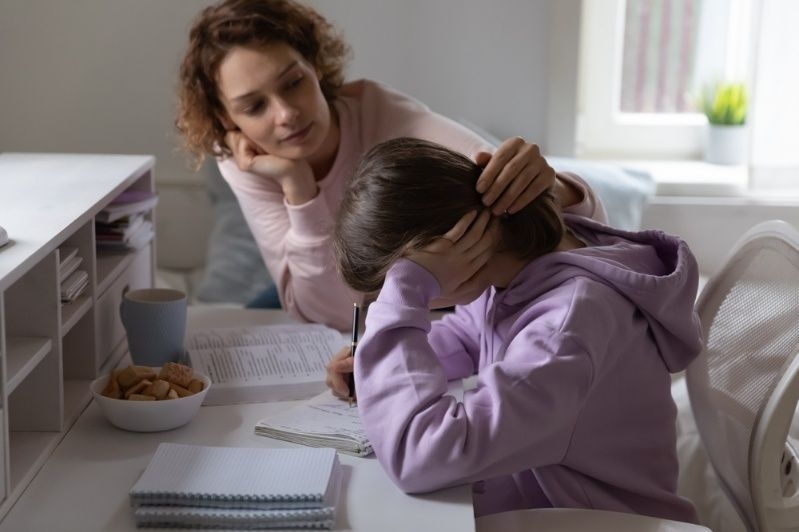
Knowing how to help kids with anxiety needs both understanding and useful methods. You are your child's support when school gets tough. You help kids with anxiety by being for them. The school year can be hard on them. You are their calm in the storm. Here is how you can help kids with anxiety for tests:
Validate Their Feelings
When a child is upset, do not say things like "relax" or "do not worry about it." This makes the child feel like their feelings do not matter.
Say something like, "I see that you are feeling really nervous about this math test."
It is okay to feel that way. We are going to get through the math test. The child will feel better when you talk to them like this about the math test.
Focus on Effort, Not Outcomes
To help kids feel less anxious when they take a test, we should change what we are focusing on. We should be happy about the time they spend studying. The fact that they are brave enough to take the test is not just the grade they get. When we do not worry much about getting a perfect score, the kids can actually do a better job. This is because they are not as stressed out about getting that score.
Practical Child Anxiety Coping Strategies
To help your child feel more in charge, try teaching them some ways to deal with anxiety that they can do right at their desk.
The "Box Breathing" Technique
Tell your child to breathe in for four counts, then hold it for four counts, breathe out for four counts, and hold it again for four counts. This really helps to slow down your child's heart rate. It tells their brain that everything is okay.
Positive Visualizations
Try this with your child. Have them sit quietly for two minutes and imagine themselves answering questions in a way and handing in their paper with a big smile on their face.
The "Dump" Method
This is where your child writes down all the things that are worrying them on a piece of paper before the test starts. Then they can throw the paper away. Put it aside, which helps to clear their mind and feel better.
Try This: Defeat Performance Anxiety: Help Kids Get Over Stage Fright
Managing School Anxiety in Children Long-Term
Addressing school anxiety in children needs a partnership with the school. You should talk to their teacher to see if the child can have time to finish their work in a quiet corner where they can take tests or breaks when they need them.
In 2026 schools are getting better at understanding how important mental health is, and a lot of them are willing to make arrangements like giving kids extra time to take tests or letting them take breaks so every student has the same chance to do well even if they have a lot of anxiety. This way the child with school anxiety and the school can work together to make things easier for the child with school anxiety.
Conclusion
Test anxiety in kids is a problem, but it is something that can be dealt with if you are patient and have the right things to help. If you pay attention to the signs that a kid is getting anxious about a test. You know what to look for; you can do something about it early on. You can use things that help kids deal with anxiety to make your student feel more in control. You should always talk to them about how to make anxiety better.
The main point of going to school is to learn and get better, not to get good grades. When you help kids with anxiety about school, you are teaching them something that's way more important than any test score: how to be brave and keep going even when things are tough.
FAQs
Can Test Anxiety Start in Elementary School?
Yes. Even little kids can feel the stress of doing. In 2026 we noticed kids as young as third grade showing signs of stress. It cannot be taken lightly, as it might affect them in the near future. This often happens when they start taking those tests that everyone has to take.
Should I Tell the Teacher About My Child's Anxiety?
Teachers can tell you a lot about how your child does during the test. They see your child in the classroom. Know how they act. The teacher can help your child feel more comfortable during the test. They can let your child sit in a seat they like. This can help your child feel less stressed. Teachers can provide insight into how your child behaves during the actual test.
Will My Child Eventually "Grow Out" of Test Anxiety?
That is not always the case. If children do not learn how to deal with anxiety when they're young, they may still have test anxiety when they go to college and start their job. So it is an idea for children to learn how to manage test anxiety now because it will help them for the rest of their life. Test anxiety can be a problem for students, but learning child anxiety coping strategies can really help. Child anxiety coping strategies are very important for students to learn.
This content was created by AI