How to Reduce Sibling Rivalry at Home in a Healthy Way

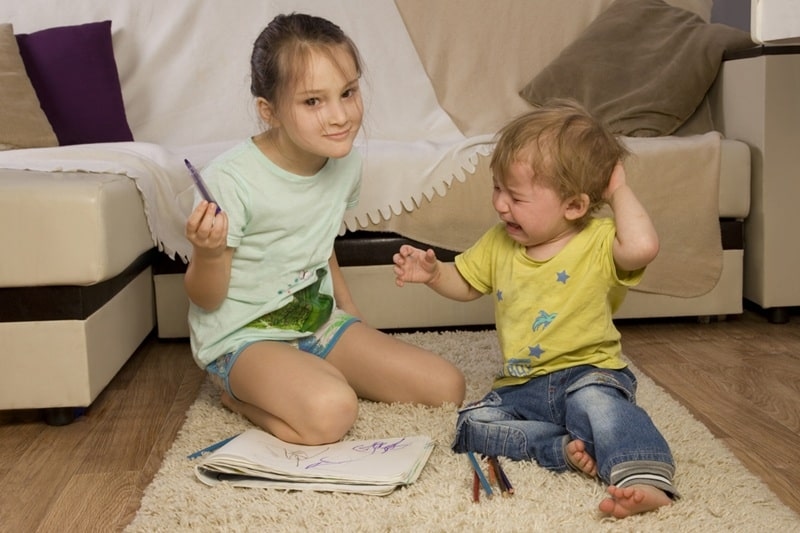
How to reduce sibling rivalry is something many parents search for once daily fights become normal at home. It often starts with small arguments but slowly turns into tension. This blog explains what sibling rivalry really means, how to handle it calmly, why it starts, and what parents can do every day to reduce conflict in a steady and healthy way.
Must Read: Homeschooling Trends And The Shift To Flexible Learning
Understand How to Reduce Sibling Rivalry
To understand how to reduce sibling rivalry, it is important to see it as a natural part of growing up. When children share space, attention, and routines, conflict is expected. It does not mean parenting is failing. It means guidance is needed.
Sibling rivalry usually grows when children feel unsure. They may wonder if they are loved equally or if rules apply fairly. These feelings often stay unspoken. Instead, they show up as arguments, complaints, or competition.
Parents sometimes try to stop every fight. That often adds pressure instead of solving the issue. What helps more is creating emotional safety. When children feel secure, heard, and valued, rivalry slowly loses its strength.
Small changes matter here. Calm tone. Clear rules. Fair attention. These simple actions shape how siblings treat each other over time. The goal is not silence. The goal is balance.
How to Deal with Sibling Rivalry: Step-by-Step
Learning how to deal with sibling rivalry does not require complex techniques. It requires consistency, patience, and awareness. The steps below focus on daily behavior, not quick fixes.
1. Stay Neutral During Disagreements
When parents choose sides, rivalry often grows stronger. One child feels blamed. The other feels rewarded. This creates a cycle that repeats. Staying neutral helps break that cycle.
Listening calmly to both children gives them space to speak. It shows fairness. Over time, children learn that yelling or blaming does not bring results. Talking does.
2. Give Each Child Personal Time
Children compete less when they feel noticed. Personal time does not need planning or effort. It just needs attention. Even a few minutes of focused time can lower emotional tension.
This time helps children feel secure. When emotional needs are met, rivalry behaviors reduce naturally. Children stop fighting for attention when they already feel seen.
3. Keep Rules Clear and Steady
Unclear rules create confusion. Confusion leads to conflict. Clear rules help children know what to expect. This removes arguments about fairness.
Rules should be simple and consistent. When rules stay the same, children argue less about them. Structure creates calm without force.
4. Guide and Not Just Fix Every Fight
Solving every fight for children prevents learning. Guiding them instead builds skills. Asking simple questions helps them think. This approach reduces repeated conflicts.
Over time, children learn to express feelings and listen. This reduces rivalry in a lasting way.
Top 5 Practical and Easy Sibling Rivalry Solutions
Sibling rivalry solutions work best when applied daily, not only during fights. These solutions focus on long-term balance rather than short-term control.
1. Stop Comparing Children
Comparisons create silent pressure. One child feels less. Another feels superior. Both outcomes increase rivalry. Children grow at different speeds and in different ways.
Avoid statements that measure behavior or ability. This simple change reduces jealousy and emotional distance between siblings.
2. Respect Personal Belongings
Forcing children to share often creates resentment. Respecting personal space helps children feel safe. Safety reduces defensiveness.
When children trust that their belongings are respected, they become more open to sharing later. Respect builds cooperation slowly.
3. Respond Calmly to Strong Emotions
Strong reactions from parents often make emotions worse. Calm responses help lower tension. Children learn emotional control by watching adults.
A steady voice during conflict shows children how to manage frustration without anger.
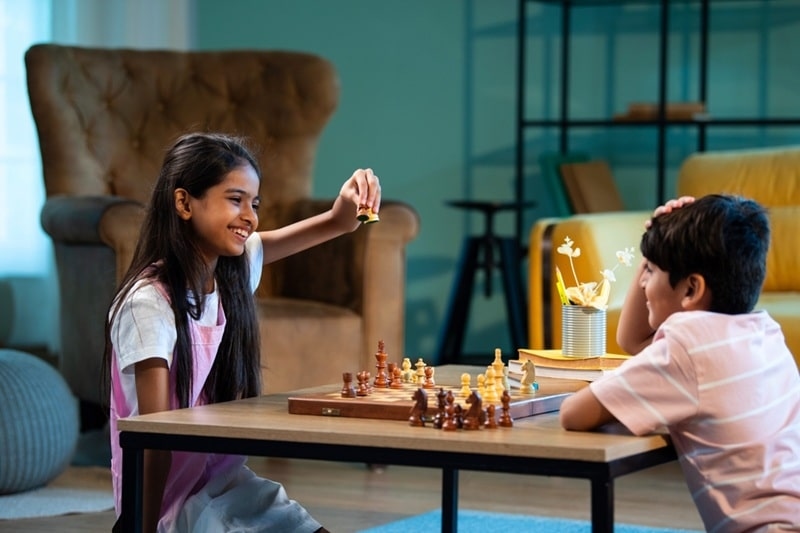
4. Encourage Team Moments
Shared activities reduce competition. Simple tasks done together build connection. Team moments shift focus from rivalry to cooperation.
Working together teaches children that success does not always mean winning over each other.
5. Praise Effort Instead of Outcomes
Praising effort removes the pressure to compete. Children feel valued for trying, not for winning. This builds confidence without comparison.
Balanced praise helps reduce rivalry over time.
Top Pick: Microlearning Strategy for Effective Child Development
What Are the Common Causes of Sibling Rivalry?
Understanding the causes of sibling rivalry helps parents respond with clarity instead of frustration. Most causes are emotional and often unnoticed at first.
1. Uneven Attention From Parents
Children notice attention differences quickly. Even small changes feel big to them. Feeling overlooked creates insecurity.
Balanced attention reduces emotional competition and resentment between siblings.
2. Age and Growth Differences
Children at different stages have different needs. Younger children often need more care. Older children may feel pushed aside.
These differences can create tension when not acknowledged calmly.
3. Changes in Daily Routine
Changes affect children deeply. New siblings, school schedules, or busy days disrupt emotional balance. Rivalry often appears during these shifts.
Stability helps children feel safe during change.
4. Unclear Limits and Boundaries
When limits change often, children feel unsure. This uncertainty leads to conflict. Clear boundaries create predictability.
Predictability reduces emotional stress and rivalry behavior.
5 Visible Signs of Sibling Rivalry
The signs of sibling rivalry often appear early. Recognizing them helps prevent long-term emotional distance.
1. Frequent Small Arguments
Arguments over small things happen often. These fights usually hide deeper feelings. Repeated conflict signals growing tension.
2. Attention-Seeking Actions
Some children act out to gain attention. This behavior often comes from feeling ignored. It increases rivalry when left unchecked.
3. Jealous Reactions
Jealousy appears through complaints or negative comments. These reactions show emotional imbalance between siblings.
4. Constant Blame
Blame avoids responsibility. It also increases conflict. This pattern shows the need for guidance in communication.
5. Quiet Withdrawal
Not all rivalry is loud. Some children pull back emotionally. Silent competition can damage relationships slowly.
Conclusion
Learning how to reduce sibling rivalry is a gradual process. Calm responses, fair attention, and steady rules create emotional safety. When children feel secure and valued, rivalry becomes easier to manage. Over time, family life feels more balanced and less tense.
Frequently Asked Questions
How to reduce sibling rivalry without stopping every argument?
Sibling rivalry reduces when parents stay calm, guide conversations, and focus on daily habits rather than stopping every disagreement.
How to deal with sibling rivalry that happens daily?
Daily rivalry often shows emotional needs. Personal attention and clear routines help reduce repeated conflict.
What sibling rivalry solutions work for young children?
Simple rules, calm tone, and focused attention work best. Young children respond to consistency.
What are the main causes of sibling rivalry?
Uneven attention, unclear rules, age differences, and routine changes are common causes of sibling rivalry.
What signs of sibling rivalry should parents notice early?
Frequent arguments, jealousy, blaming, attention-seeking behavior, and withdrawal are early signs.
This content was created by AI